I have broken my heart more times than I can remember.
Lost a loved one, lost a love, been left alone to feel it.
Held the hand of someone dying,
missed the something that never came.
Heard a crack under the sternum,
breathed only a little for a moment.
To this here you can. Or can you?
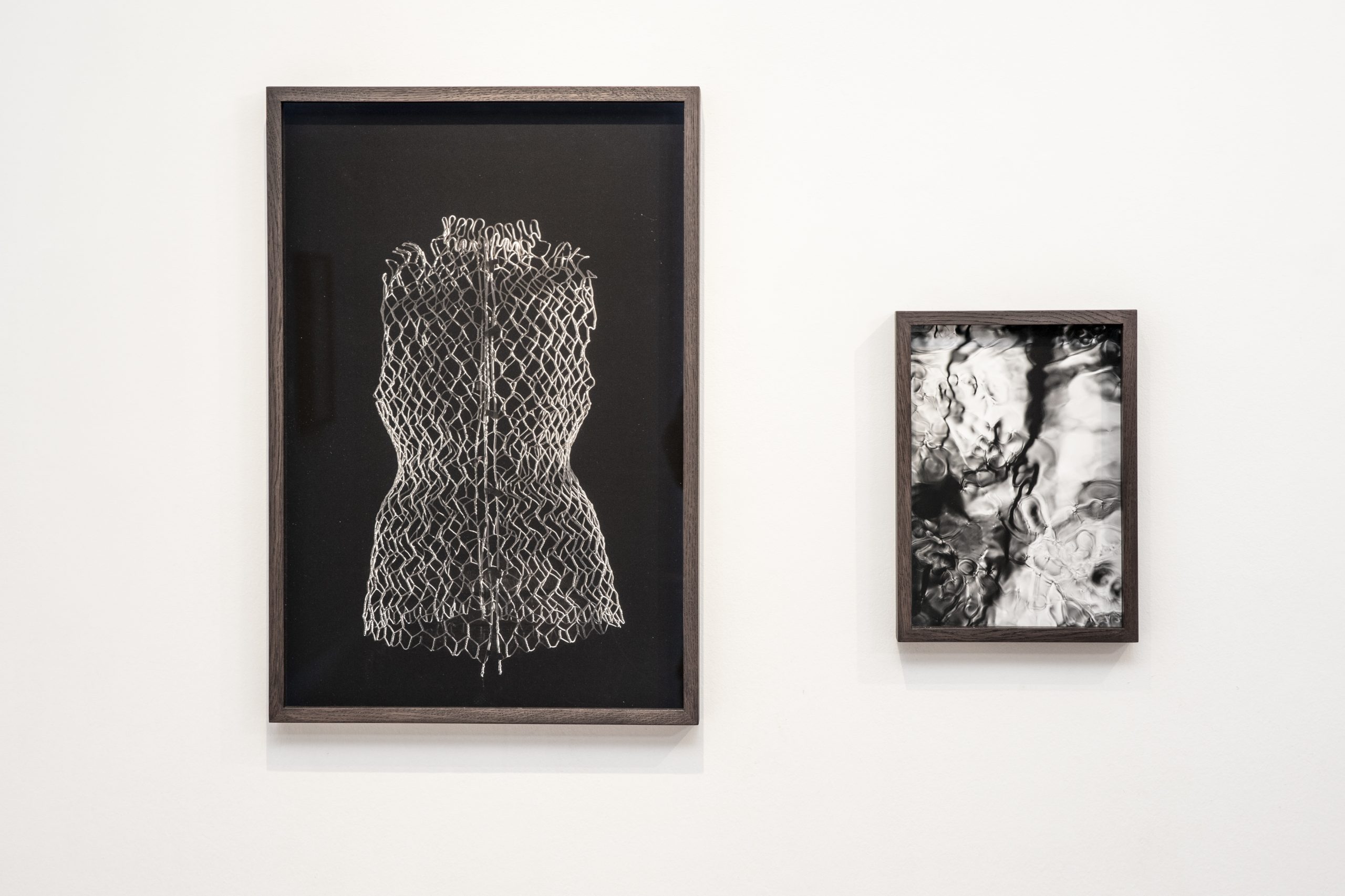
The Takotsubo exhibition was inspired by the artist reading an article about broken heart syndrome in The Guardian. The article reported that, in 2004, Japanese doctors observed people arriving at their surgeries with symptoms resembling a heart attack in the aftermath of an earthquake. This painful condition, known as takotsubo cardiomyopathy, is caused by major emotional shock and resembles a heart attack. When experiencing pain, the left ventricle of the heart changes shape to resemble a Japanese octopus trap, takotsubo. The pain in the heart was therefore physiologically real, not just figurative. The article caused Ylä-Lyly to think about heartbreak in a new light. The idea that you could die of heartbreak felt truer than before.
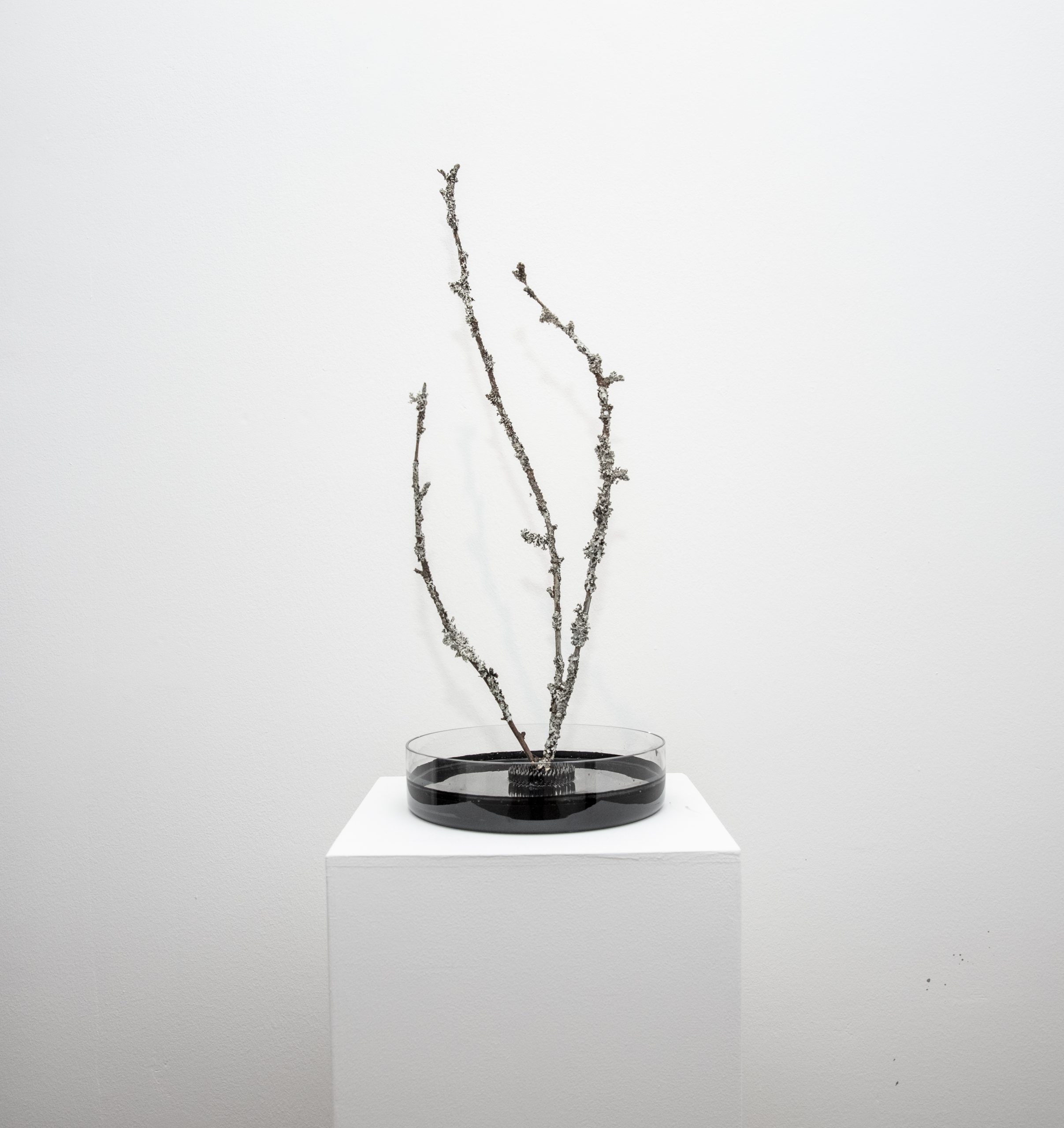
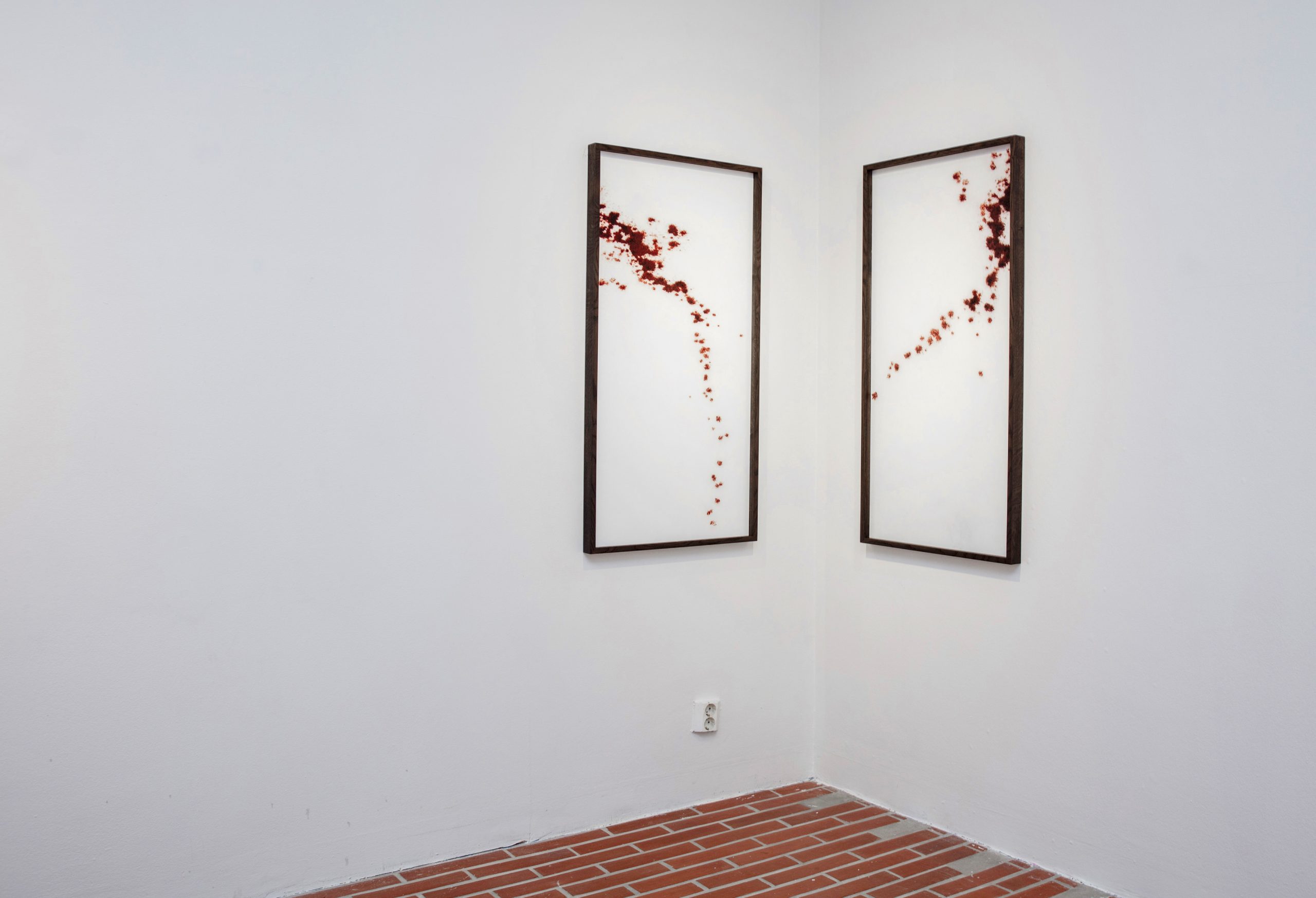
Heartbreak is brutal and merciless in the moment. The artist’s aim is to address the subject without succumbing to it, while also maintaining hope. As time goes on, an opportunity for healing emerges. This possibility is symbolised by the works Let I and Let II, whose form and titles suggest acceptance, detachment, and a wistful lightness.
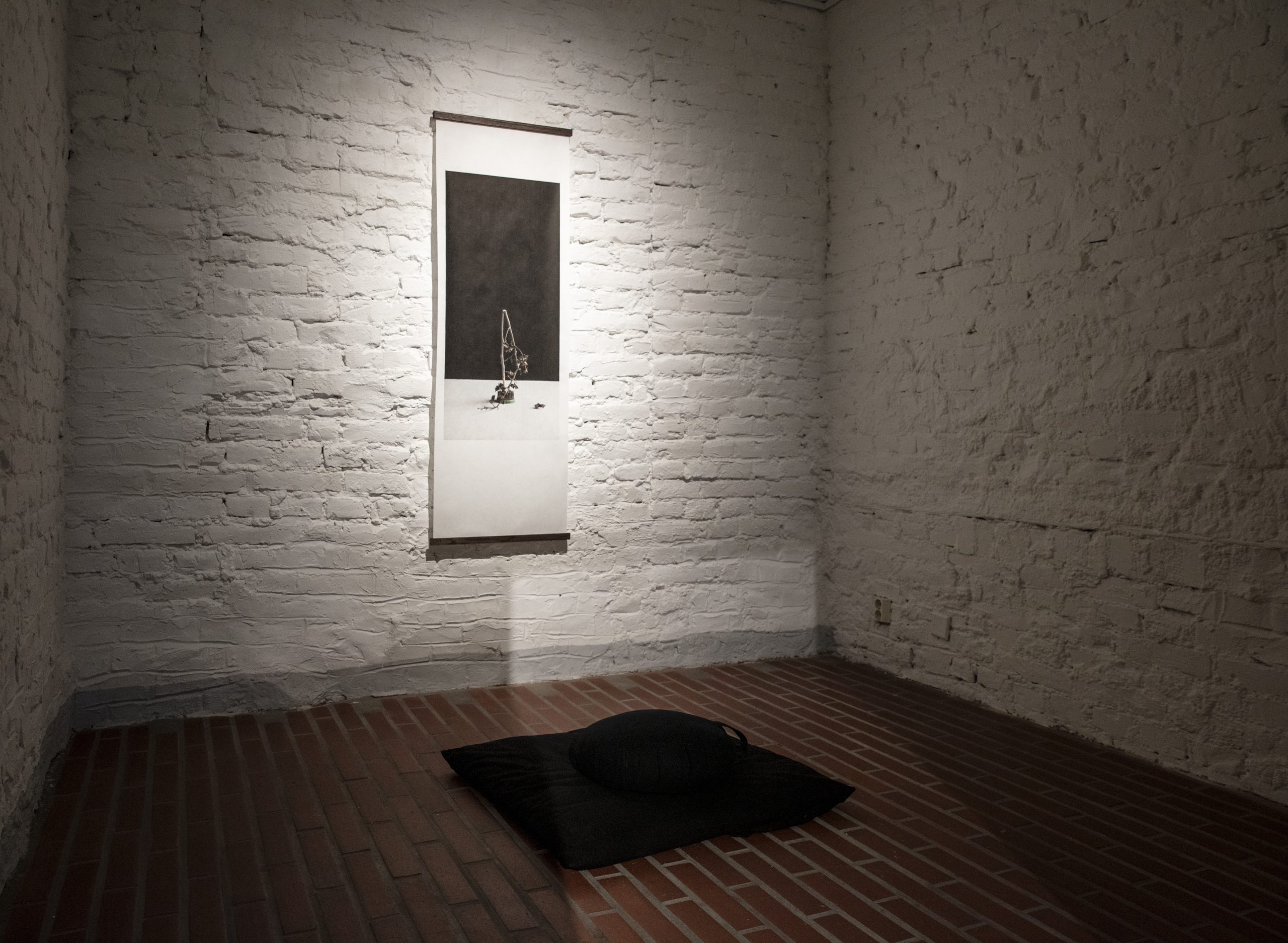
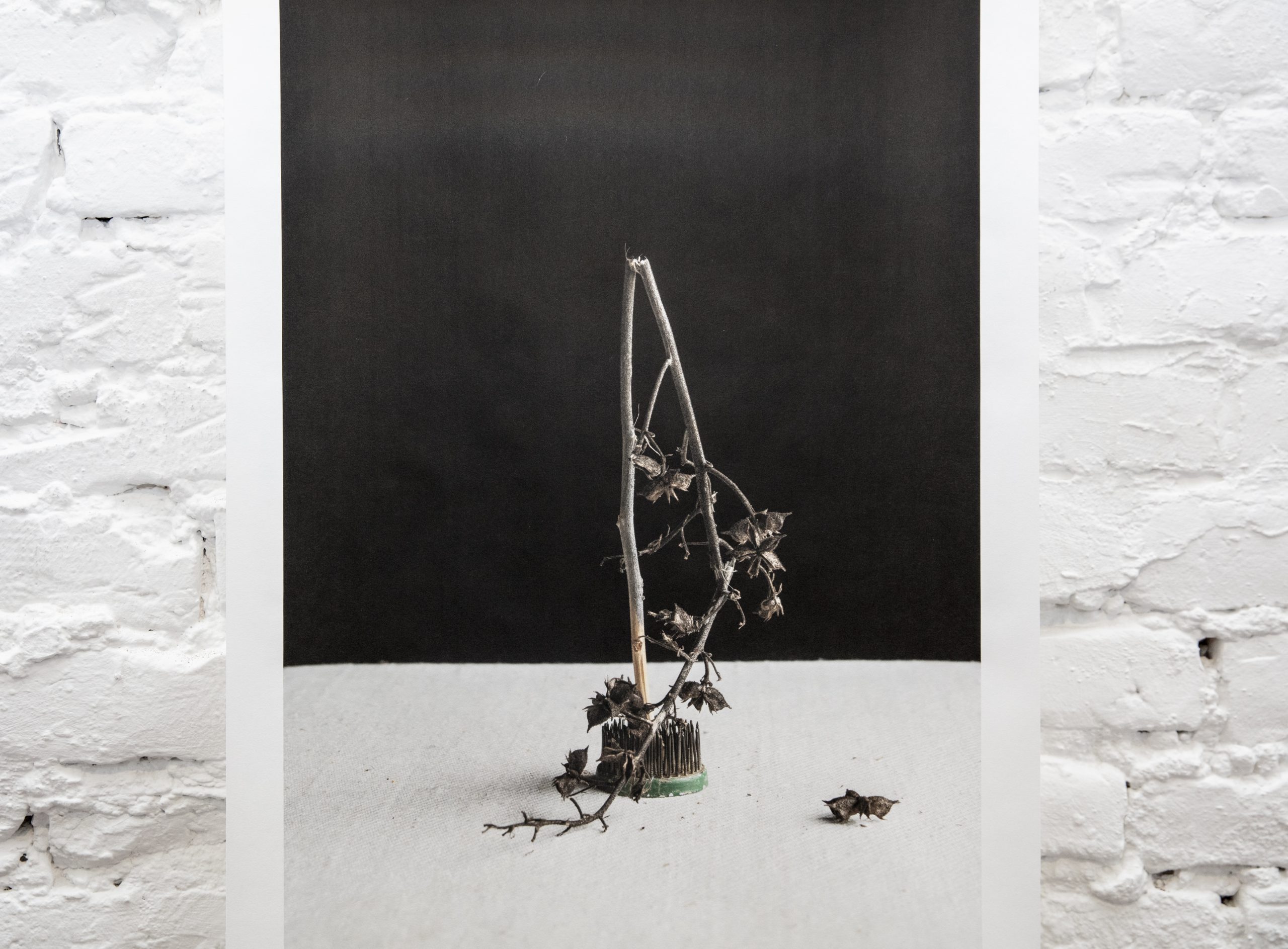
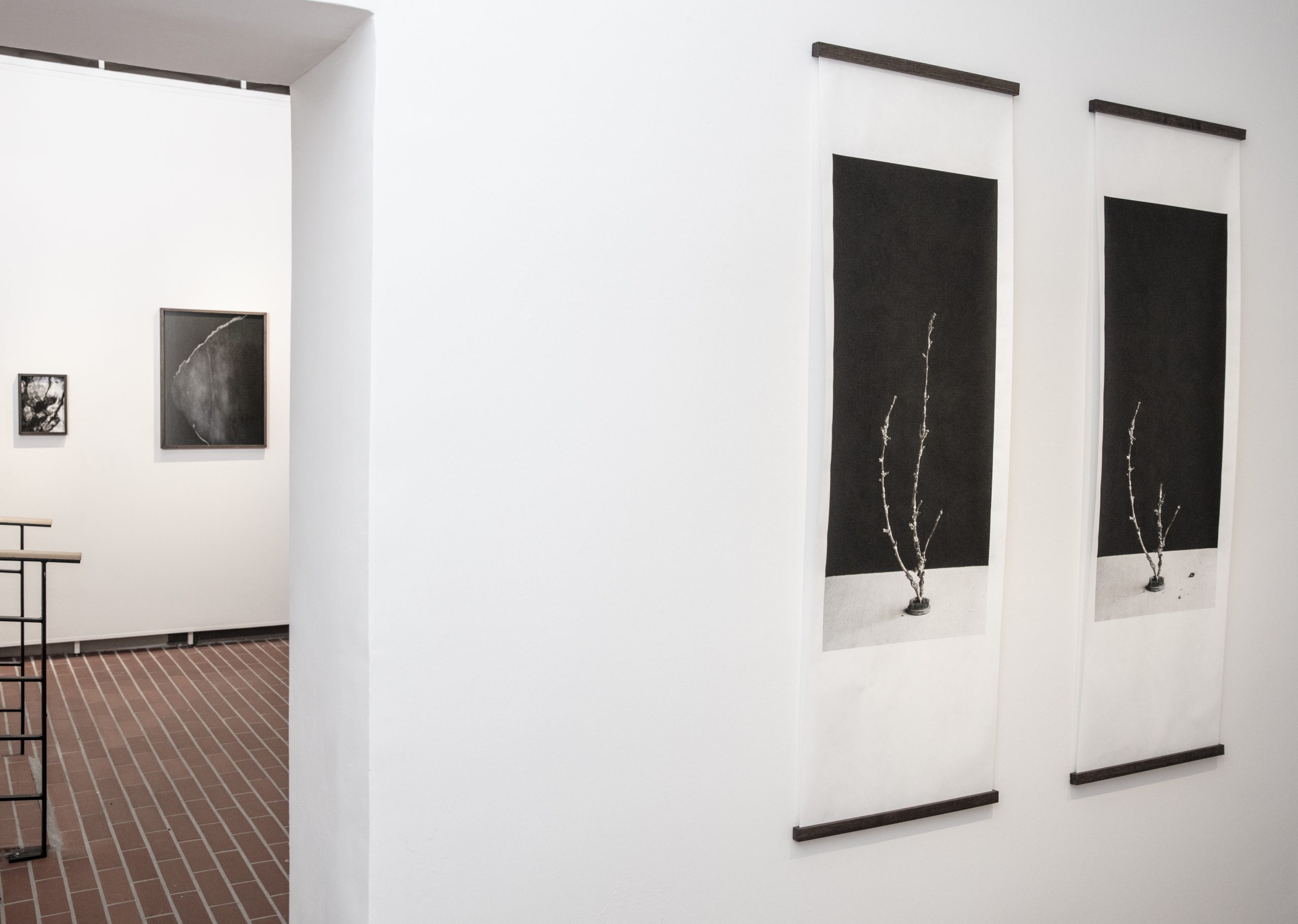
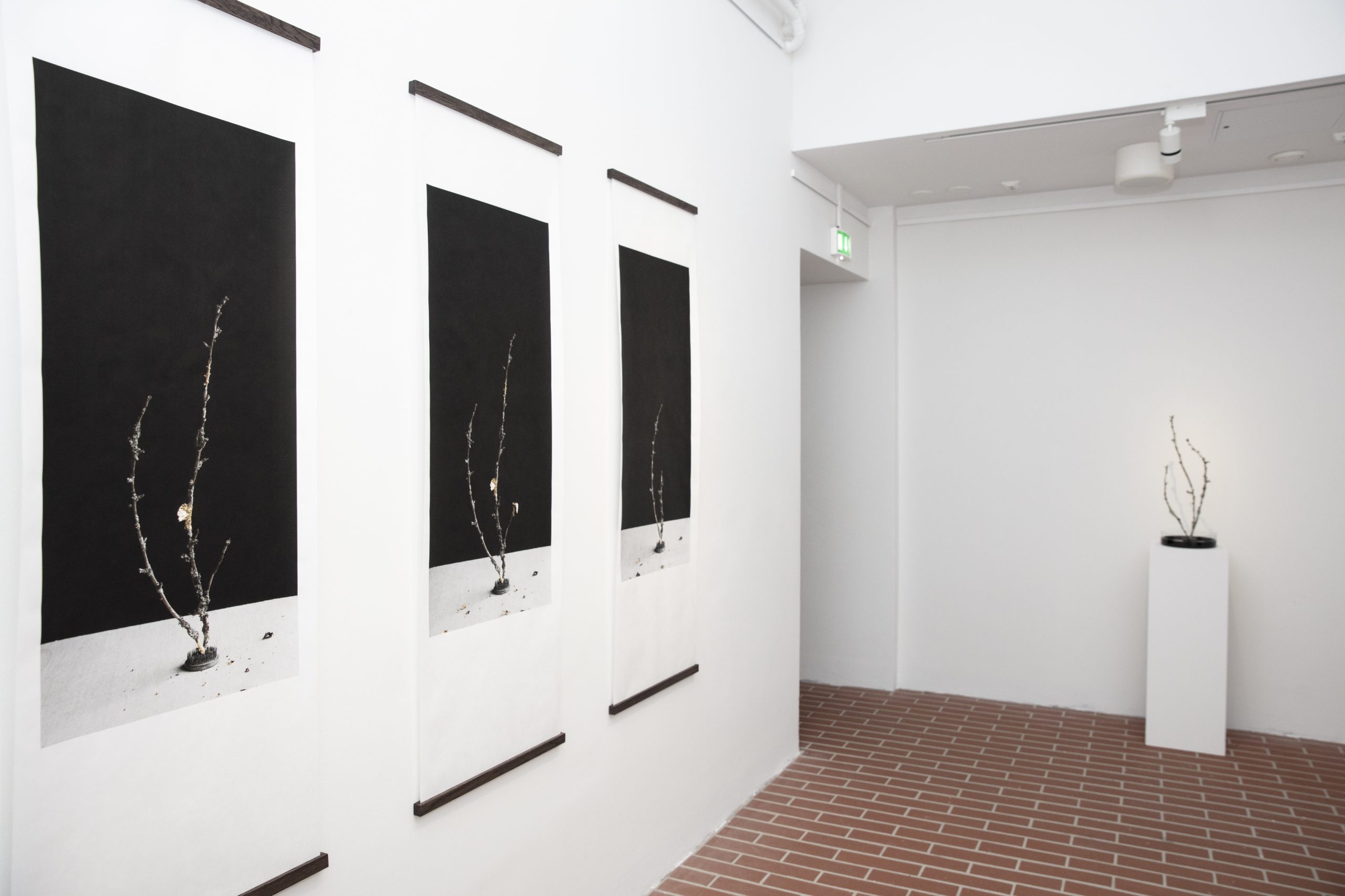
The title of the latest series, Shin, means heart in Japanese. It also refers to the highest branch of an ikebana arrangement. A twig can break and be repaired, but its permanence cannot be guaranteed. Leena Ylä-Lyly’s art is often inspired by the Zen Buddhist concept of transience and impermanence of all things.
Her work is characterised by slowness and silence, as well as an intuitive approach to the subject. She allows the form to mature over time. The objects she photographs are mostly found in her immediate environment. Her approach to the photo shoot is akin to a Zen meditation practice: focusing on the present moment and allowing the image to evolve organically. In her photography, she is interested in silence and the movement it contains.
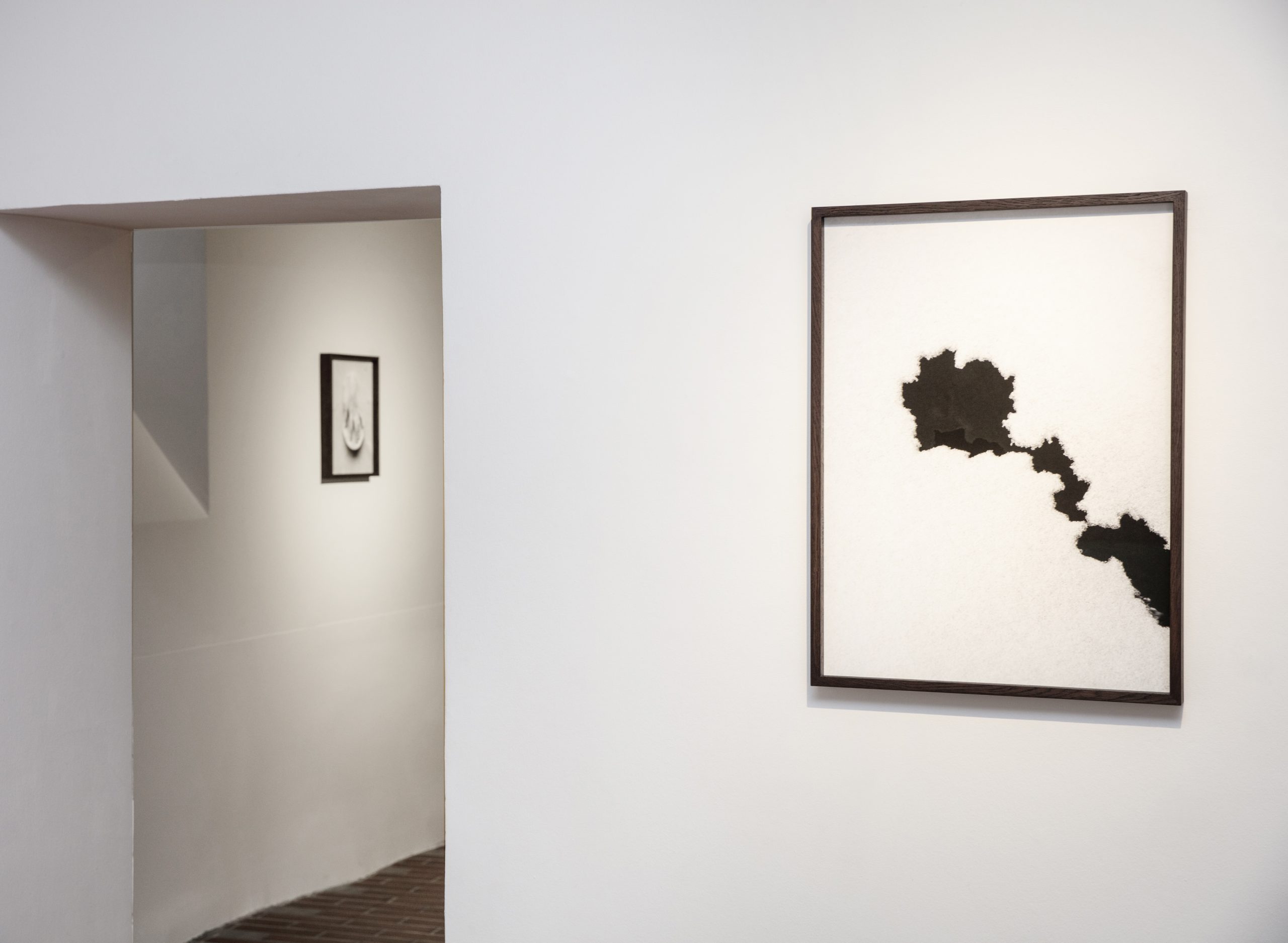
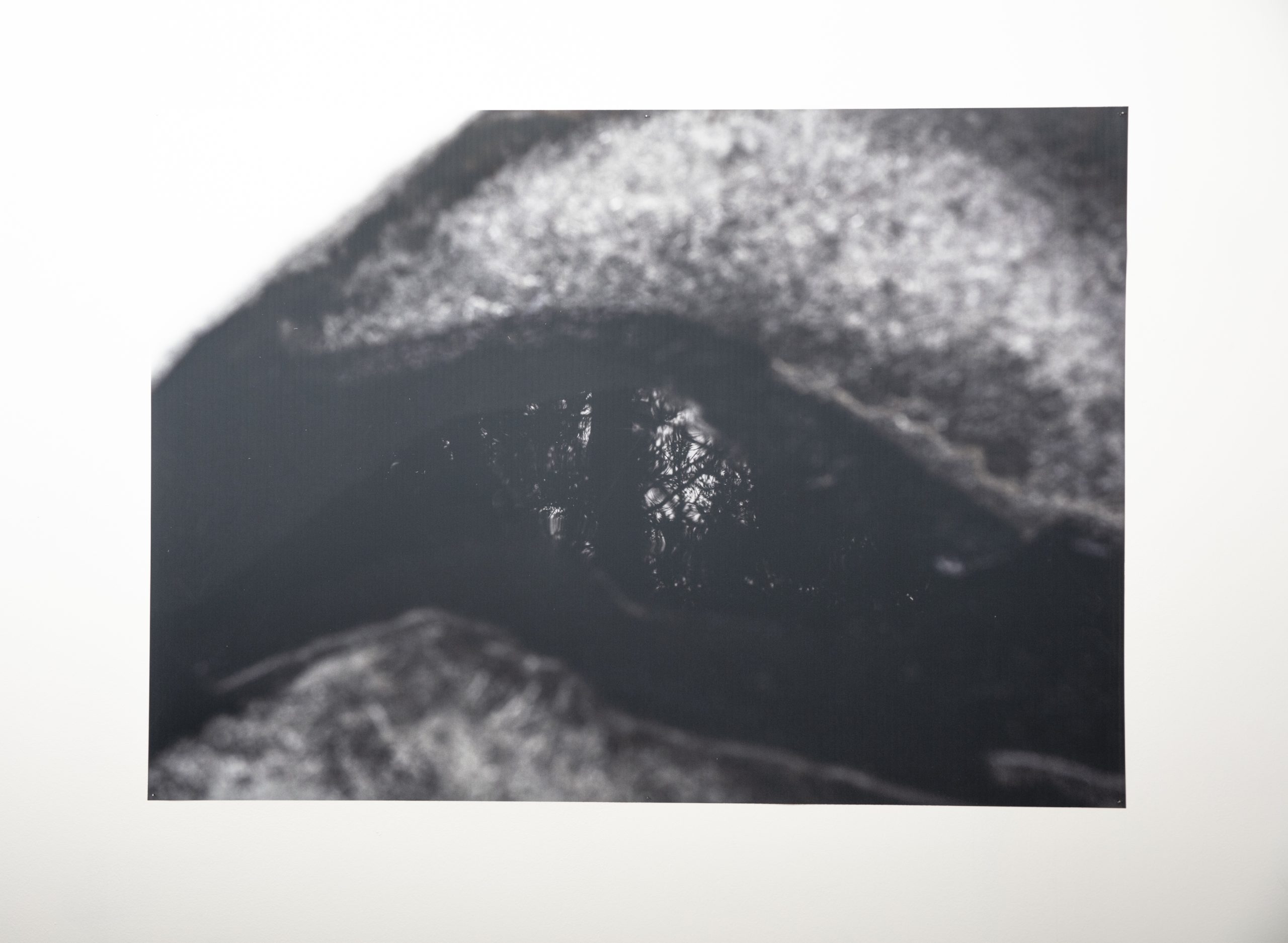
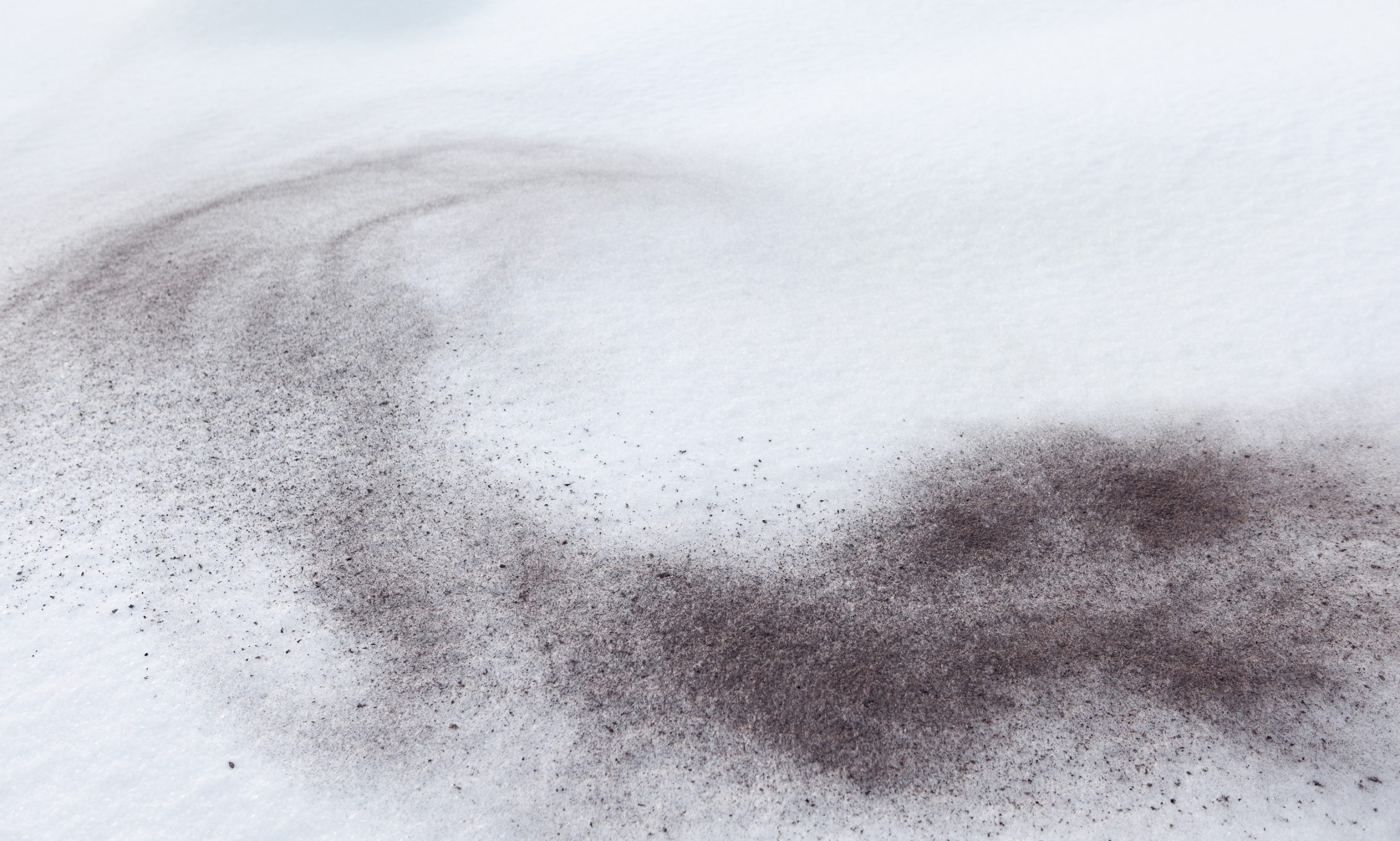
“My images often emerge from nowhere through observation and presence. I think about things and observe my surroundings until I notice something that speaks to me, giving visible form to a thought or feeling. The first photo in the Ink series was taken while I was walking in the woods after experiencing two losses in January 2023. I saw black water moving beneath the snow, resembling ink spreading on paper. I knew then that this would be the beginning of my Takotsubo series.”
The minimalist design of the exhibition space aims to create a sense of silence. It confronts an emotion with which many of us are familiar.