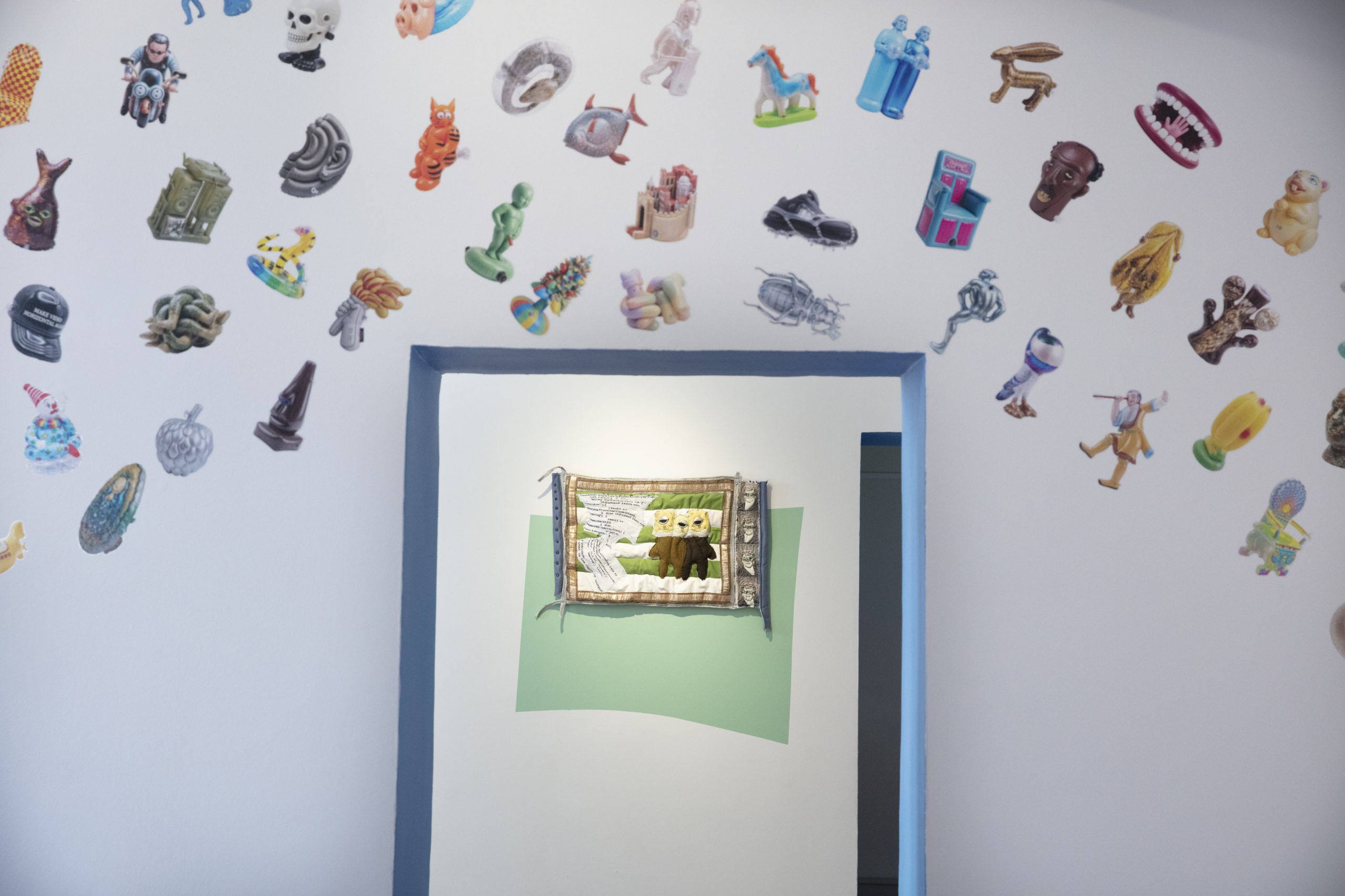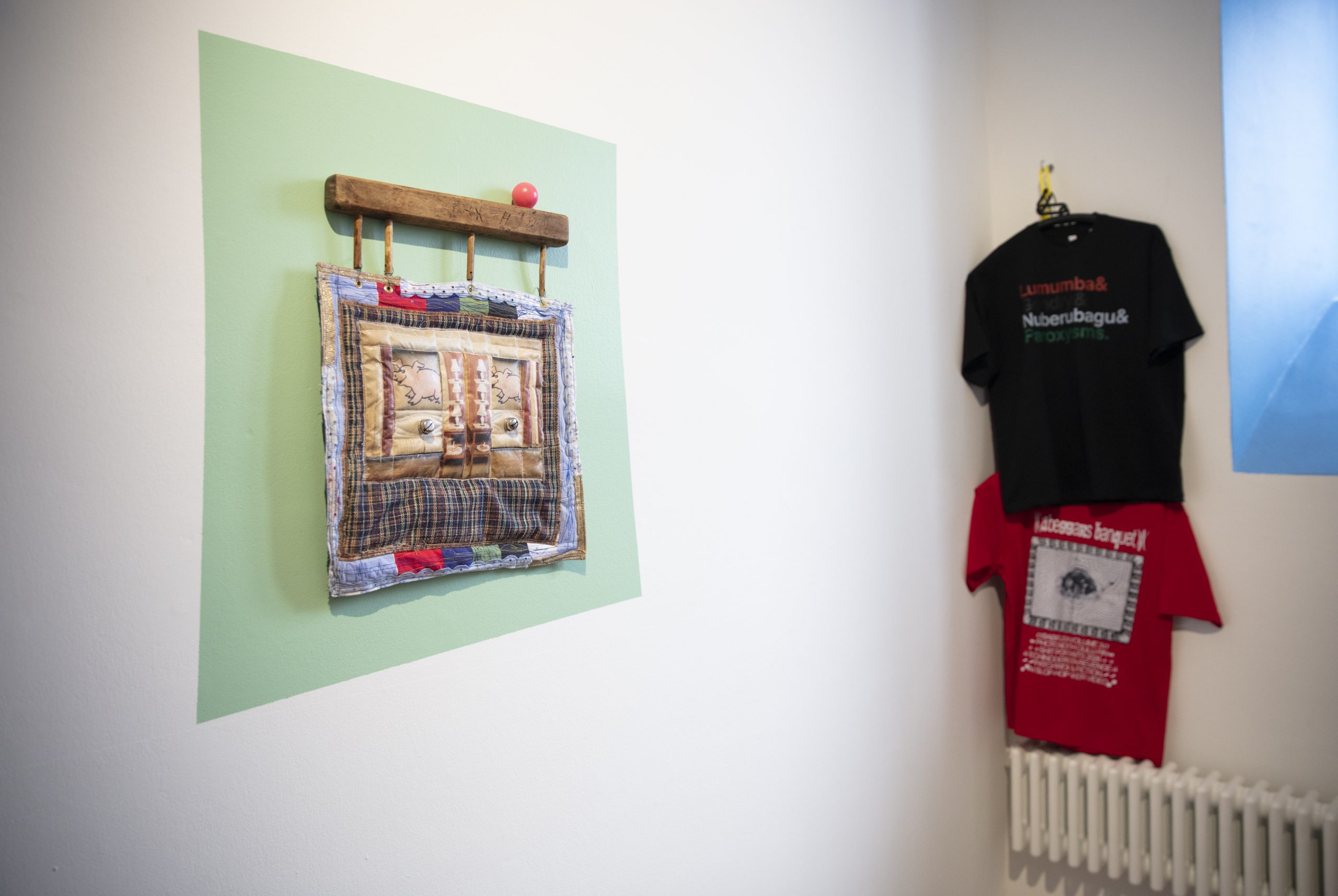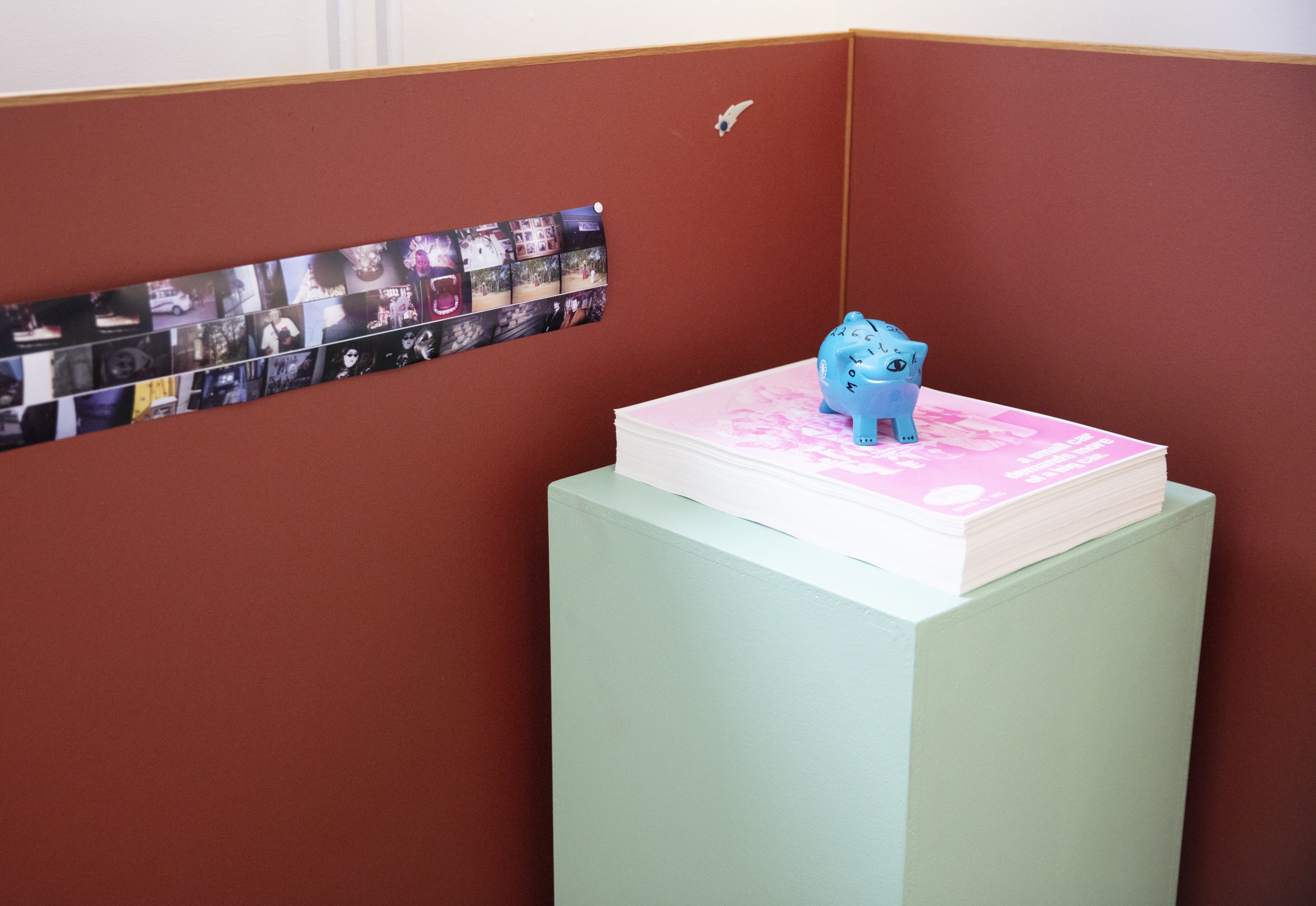
Pelekääkkö nää polliisia?— Are you scared of the police? This question is often posed rhetorically, as a humorous way to showcase the local dialect of Oulu. Yet policing—and resistance or compliance towards it—has long been enshrined in this city’s public and cultural spaces, and in the collective memories of its inhabitants.
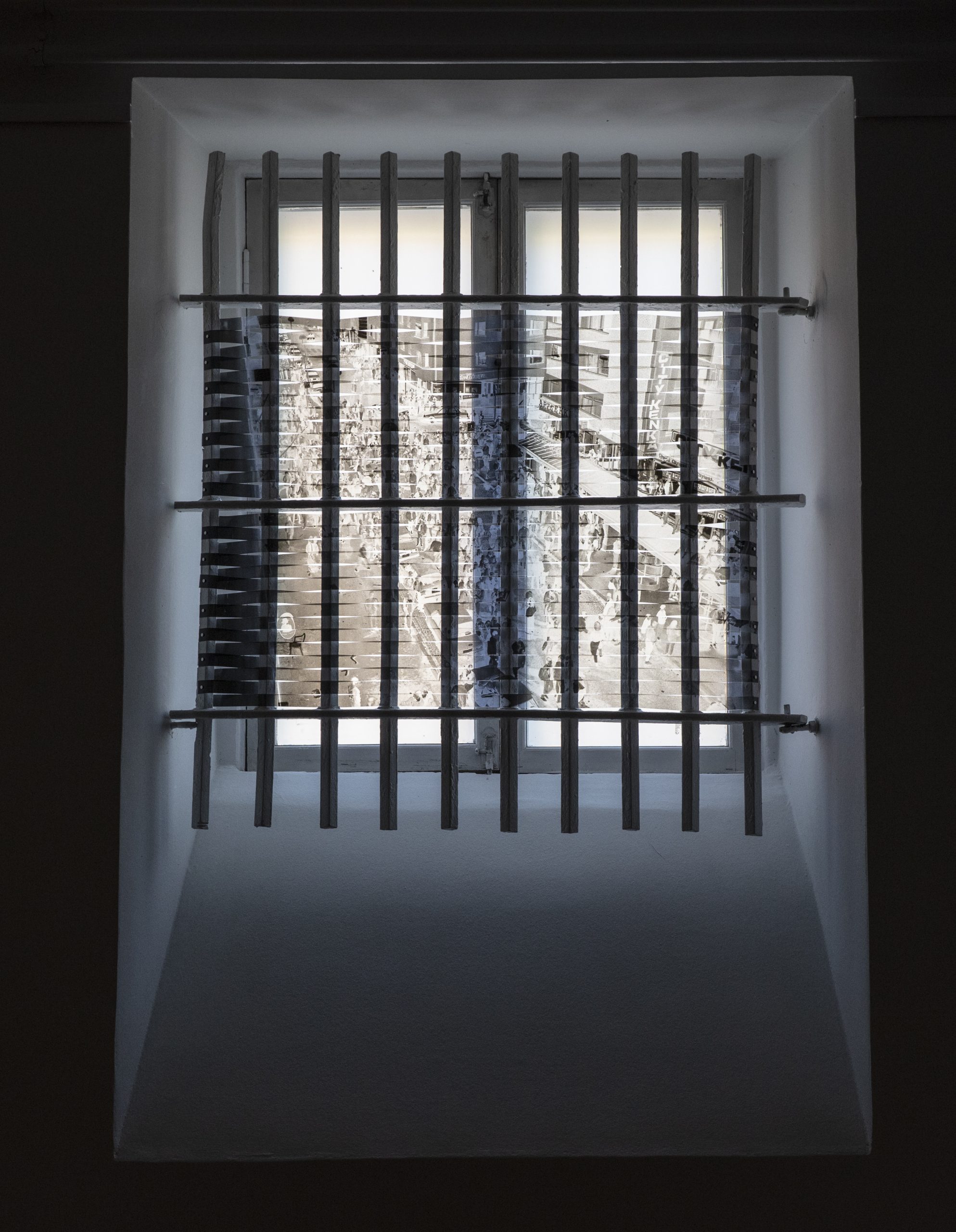
The exhibition on view at Photo North – Northern Photographic Centre’s gallery, is housed in a former site of incarceration, a police lockup for 100 years that closed in 1988. To Farbod Fakharzadeh, Katie Lenanton, Phan Nguyen, Yujie Zhou, and Vinayak, as invited guests to this space, thinking with and through Oulu during its European Capital for Culture year meant looking at its histories from personal, journalistic, and academic perspectives. As a working group of non-European artworkers that live in Finland, and therefore within the European Union’s hegemonic identity, their lives and possibilities are restricted by different forms of institutional authority, and the individuals that uphold and enact them. Like many people from elsewhere, they are regularly asked to justify their presence, and the positions they occupy. The working group searched for moments that helped them to connect to a city they’re not deeply rooted to, wondering how to apprehend Oulu through the form of an exhibition.
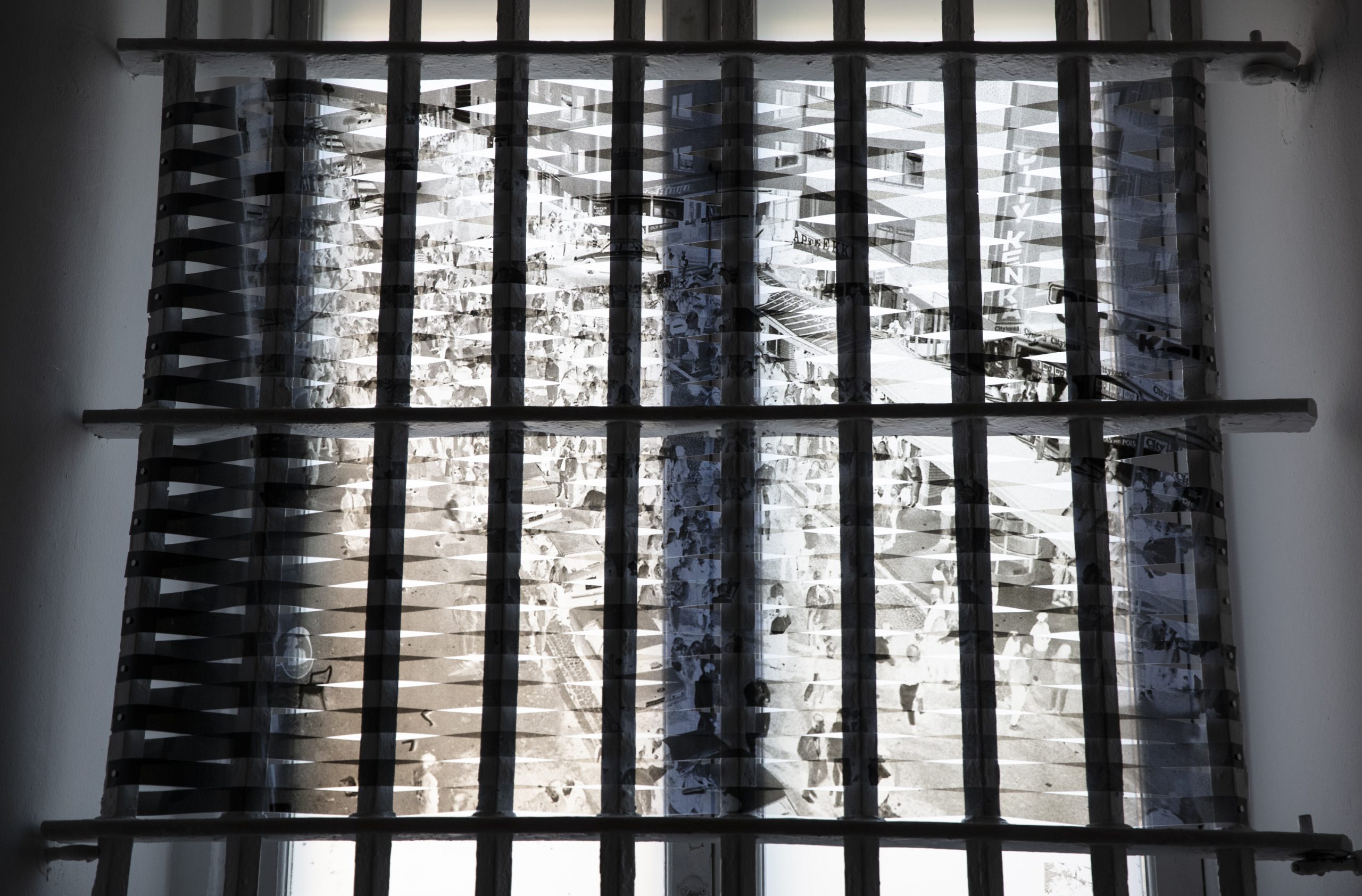
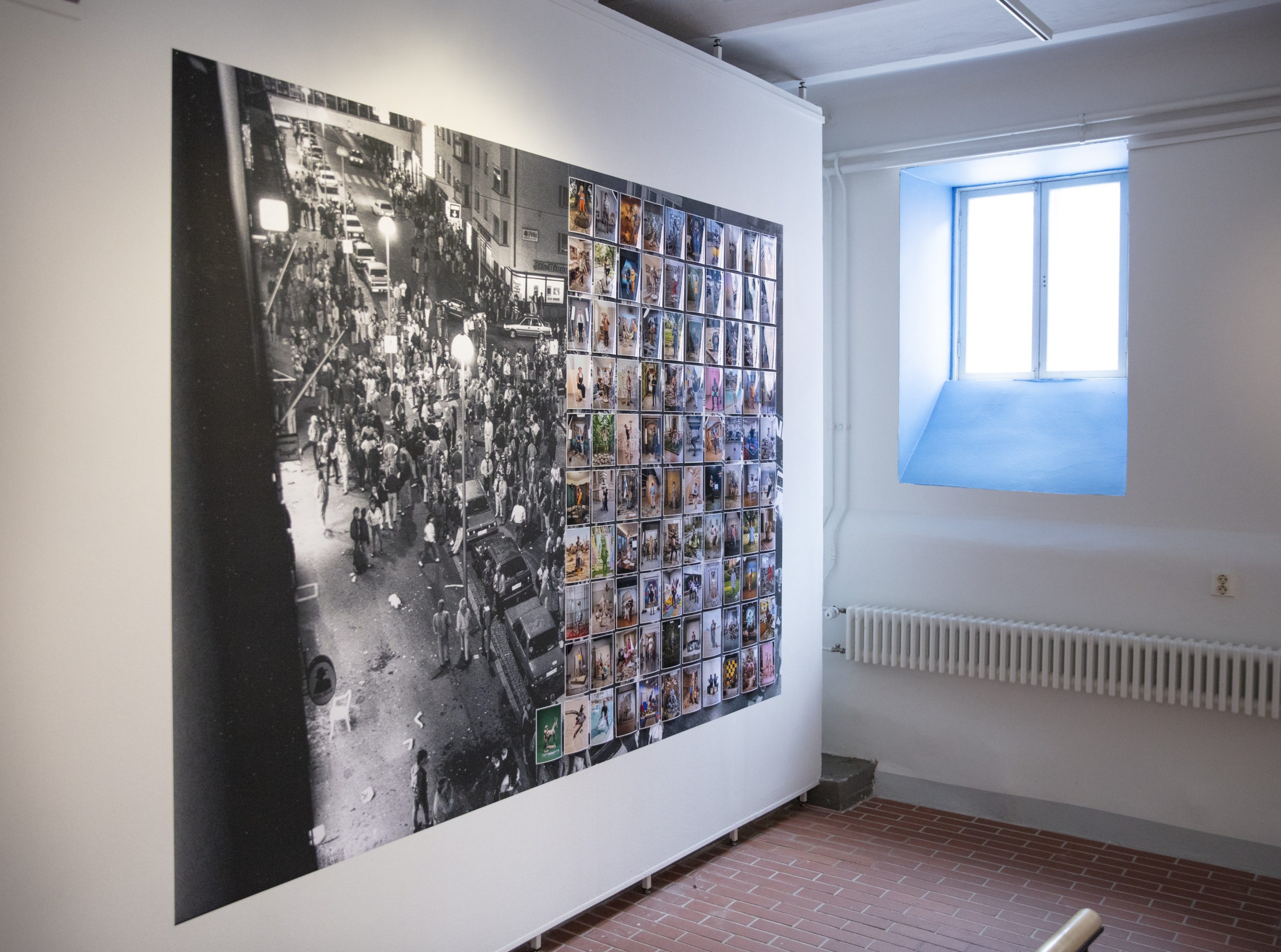
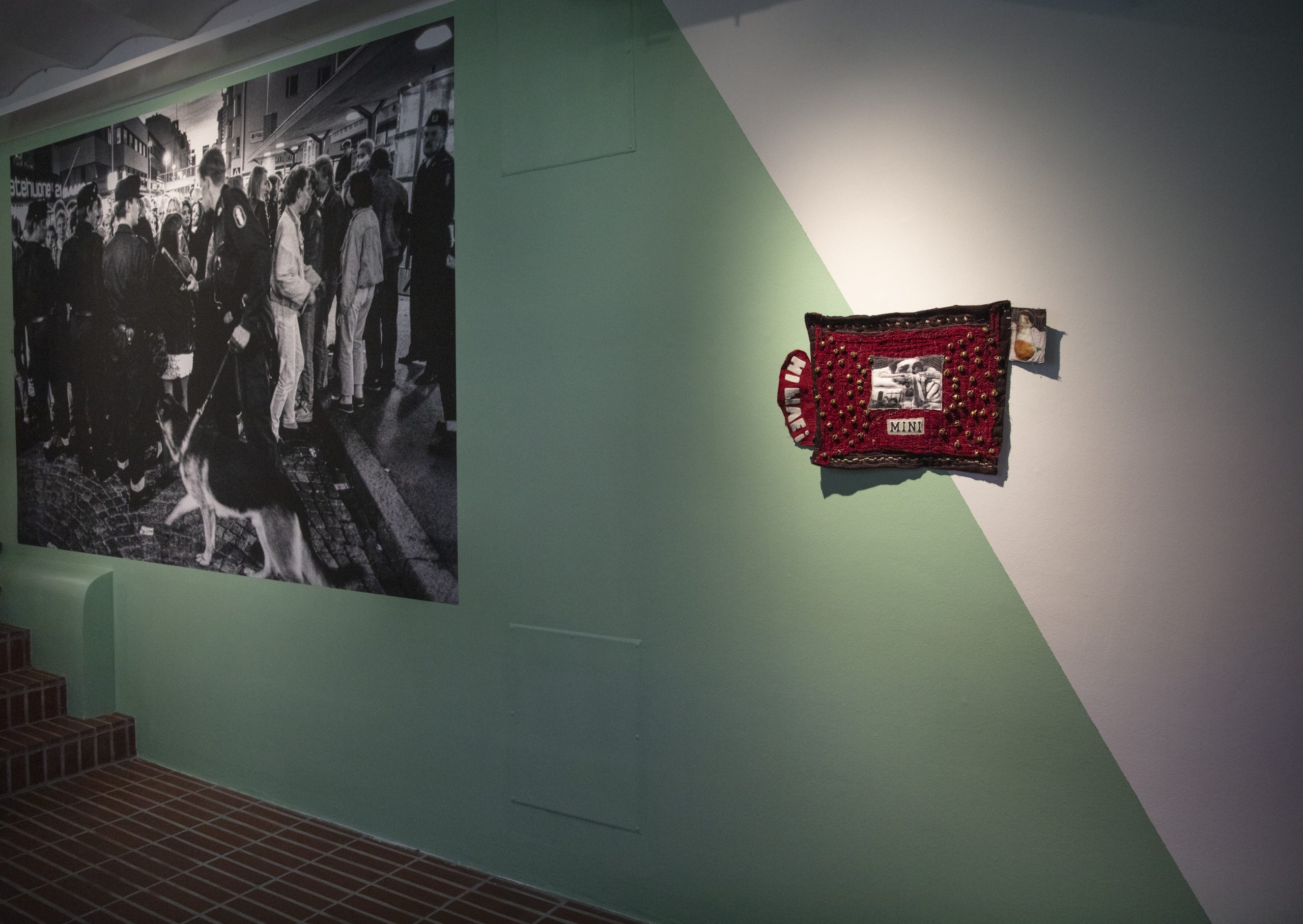
The working group collected threads, anecdotes, and events to help them go beyond a surface level understanding of the city, to identify instances of dissent. They were drawn towards an event on 10.-11.8.1990, in which young people rioted in the centre of town in response to police presence. Even if spontaneous, the youth riot was nonetheless a propulsive moment of potentiality. It was an opportunity for young people to enact power and agency in the face of institutional aggression. In popular media*, this event has been narrativised as accidental mass hysteria, and reduced to a “non-political riot”. This oxymoronic term erases the agency of young people, and ignores the socio-economic and political conditions that contributed to the event—the beginning of a turbulent era of recession and reform in Finland and other parts of Europe, and the so-called Western world.
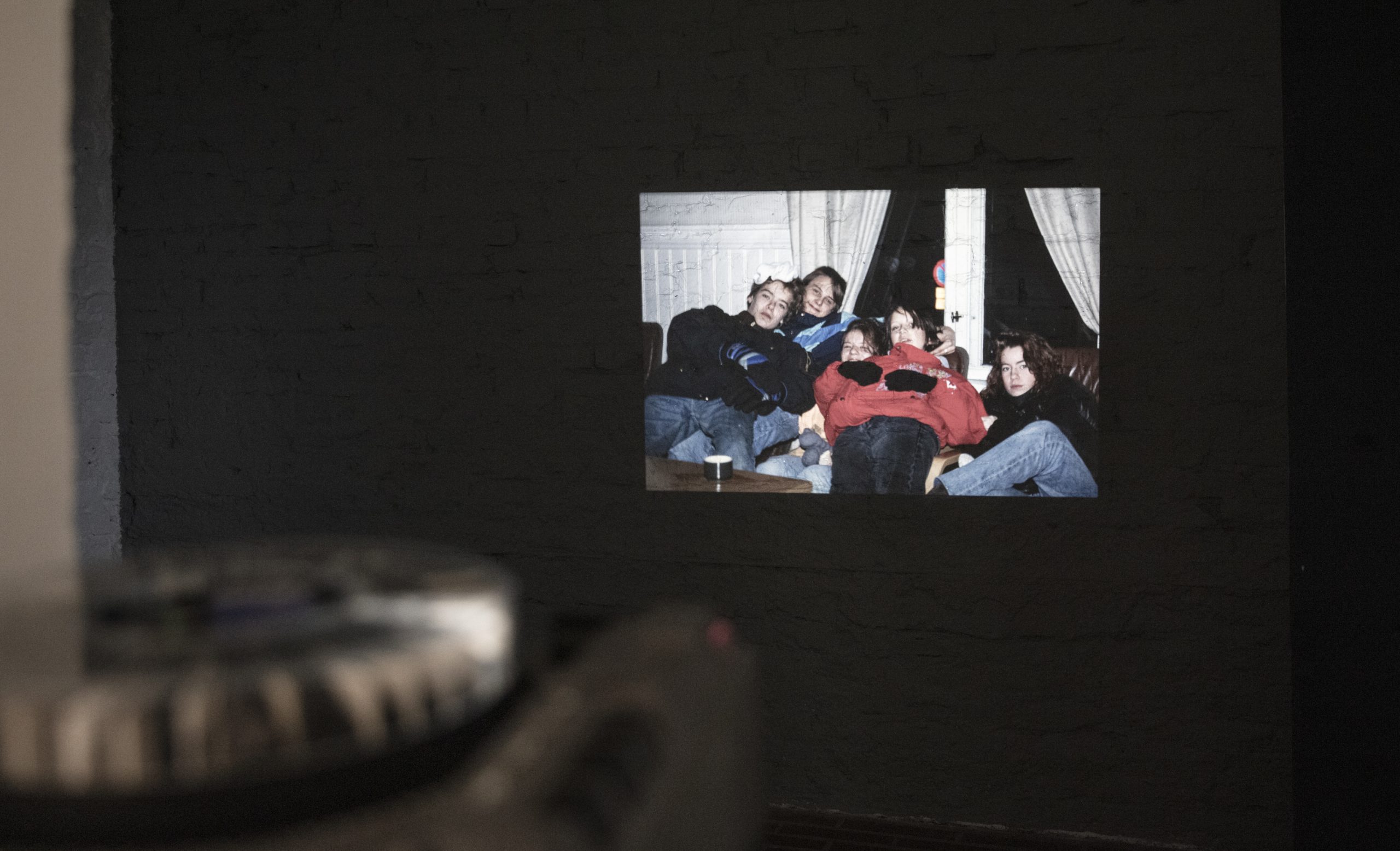
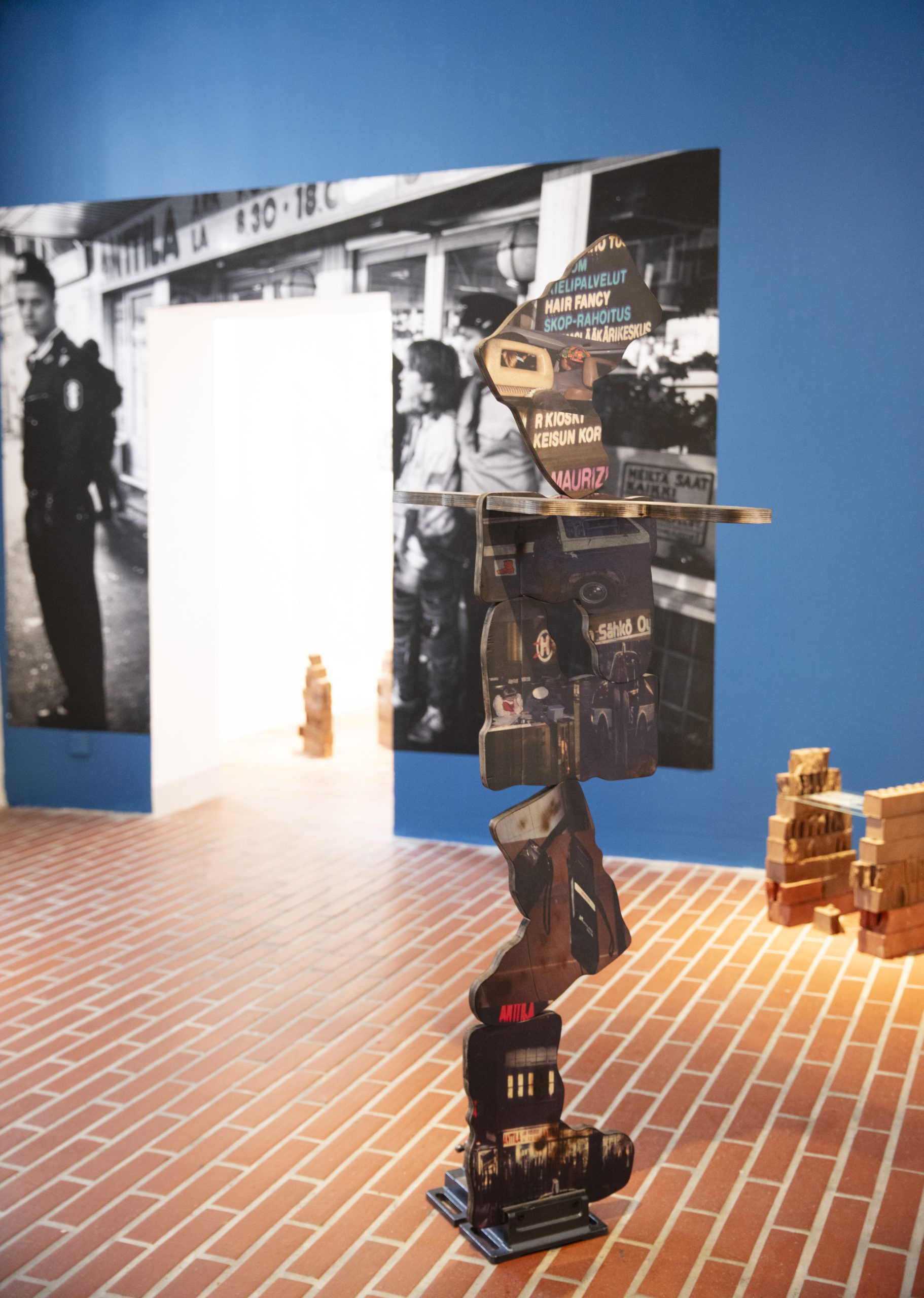
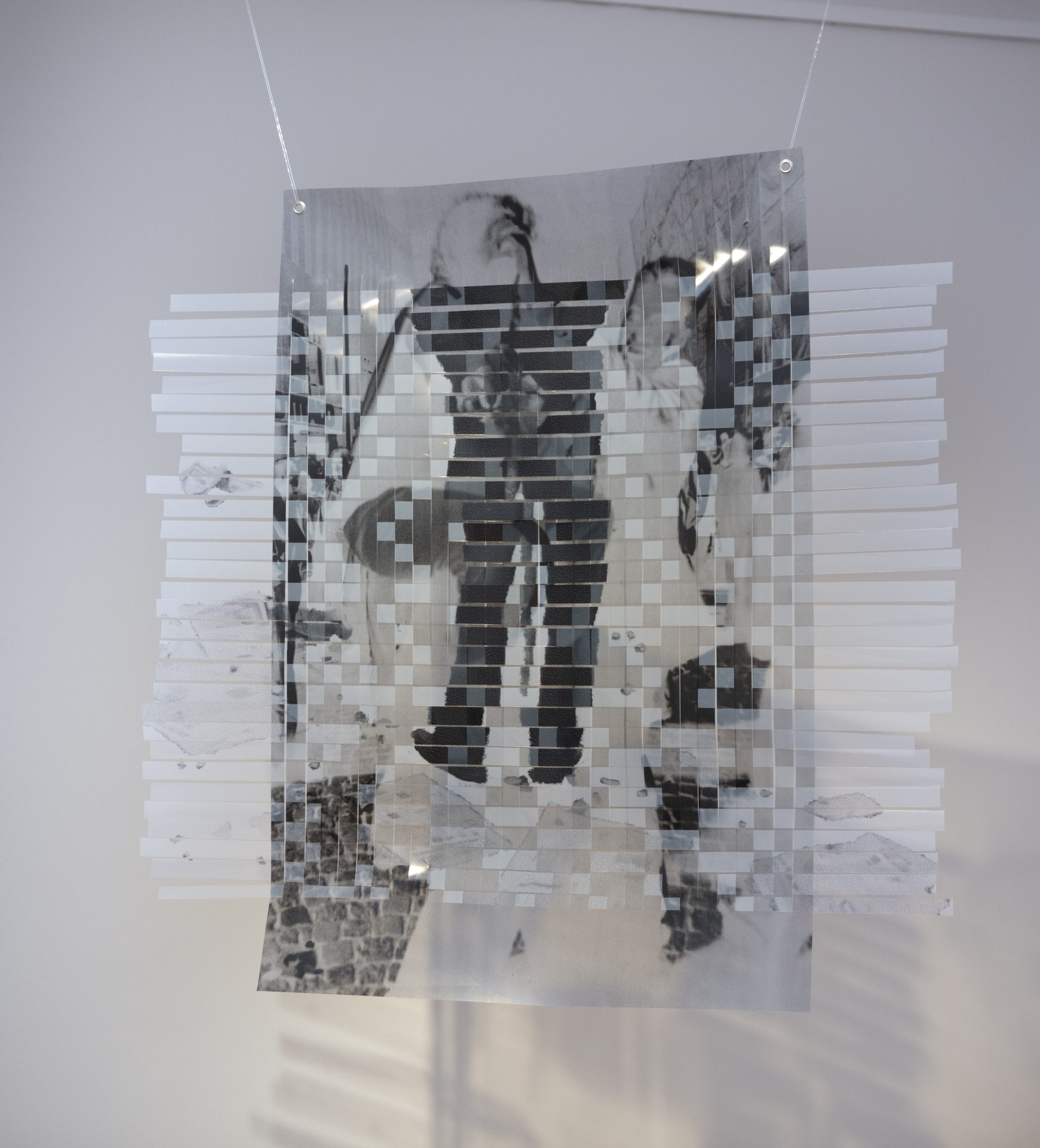
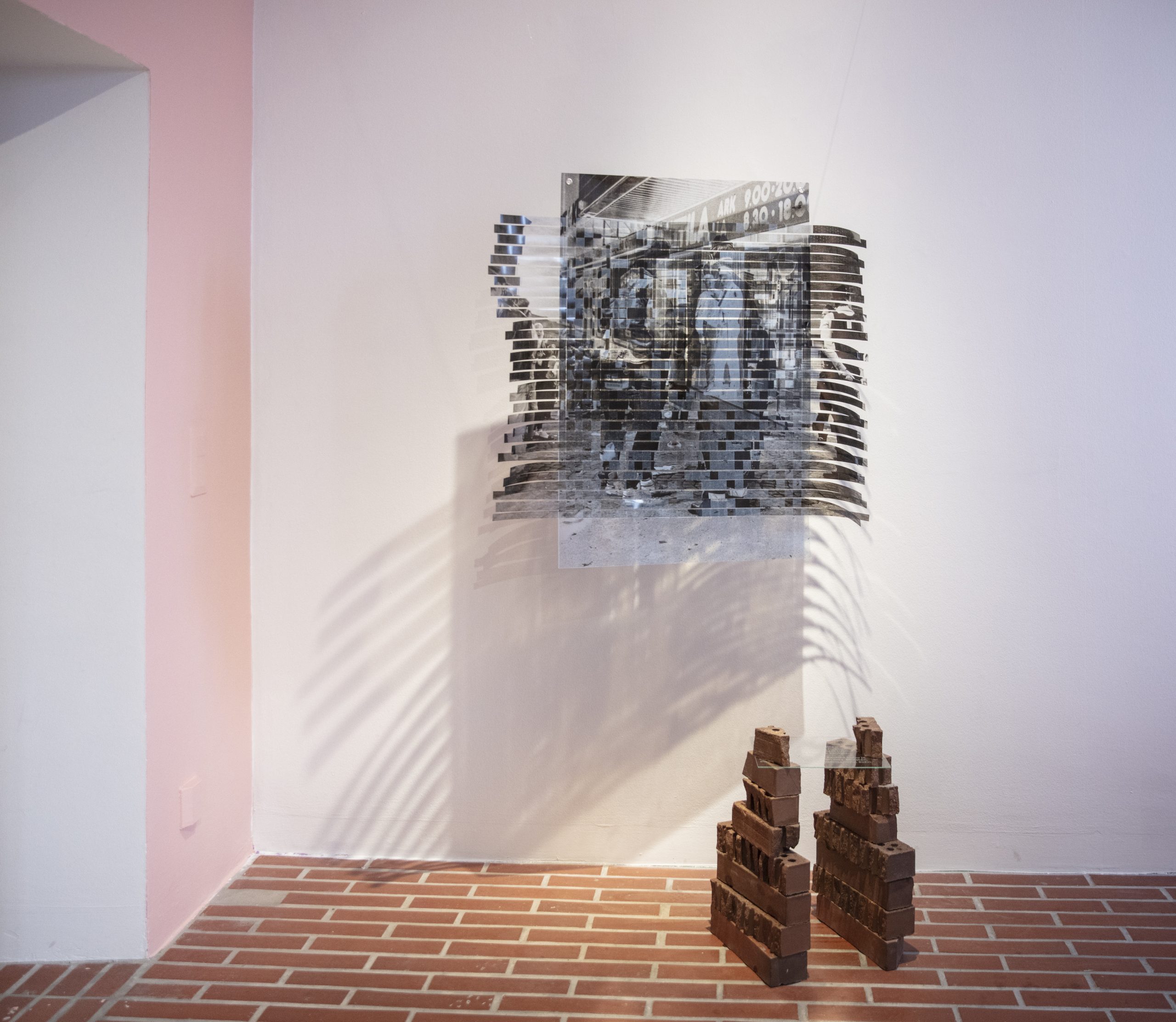
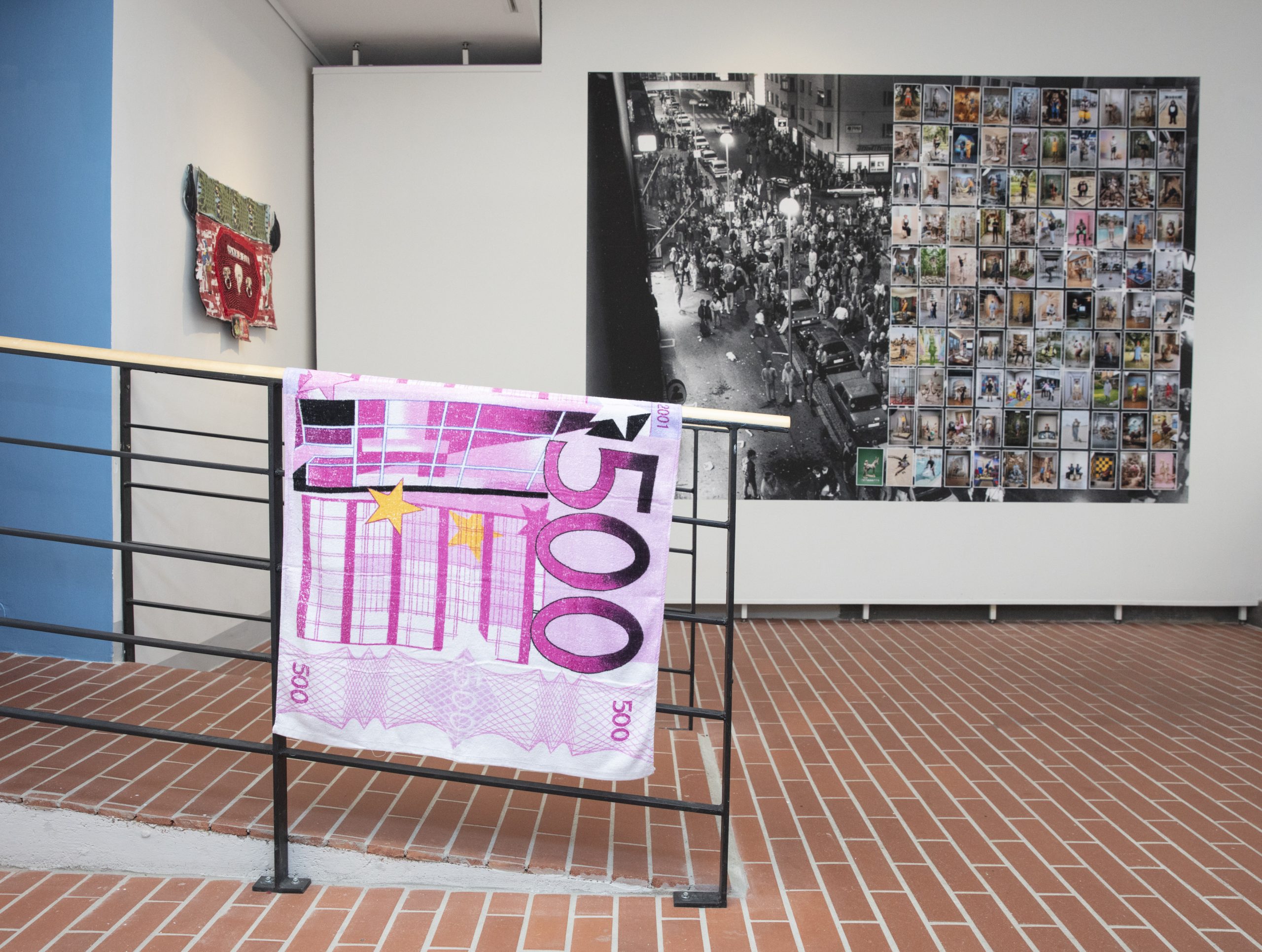
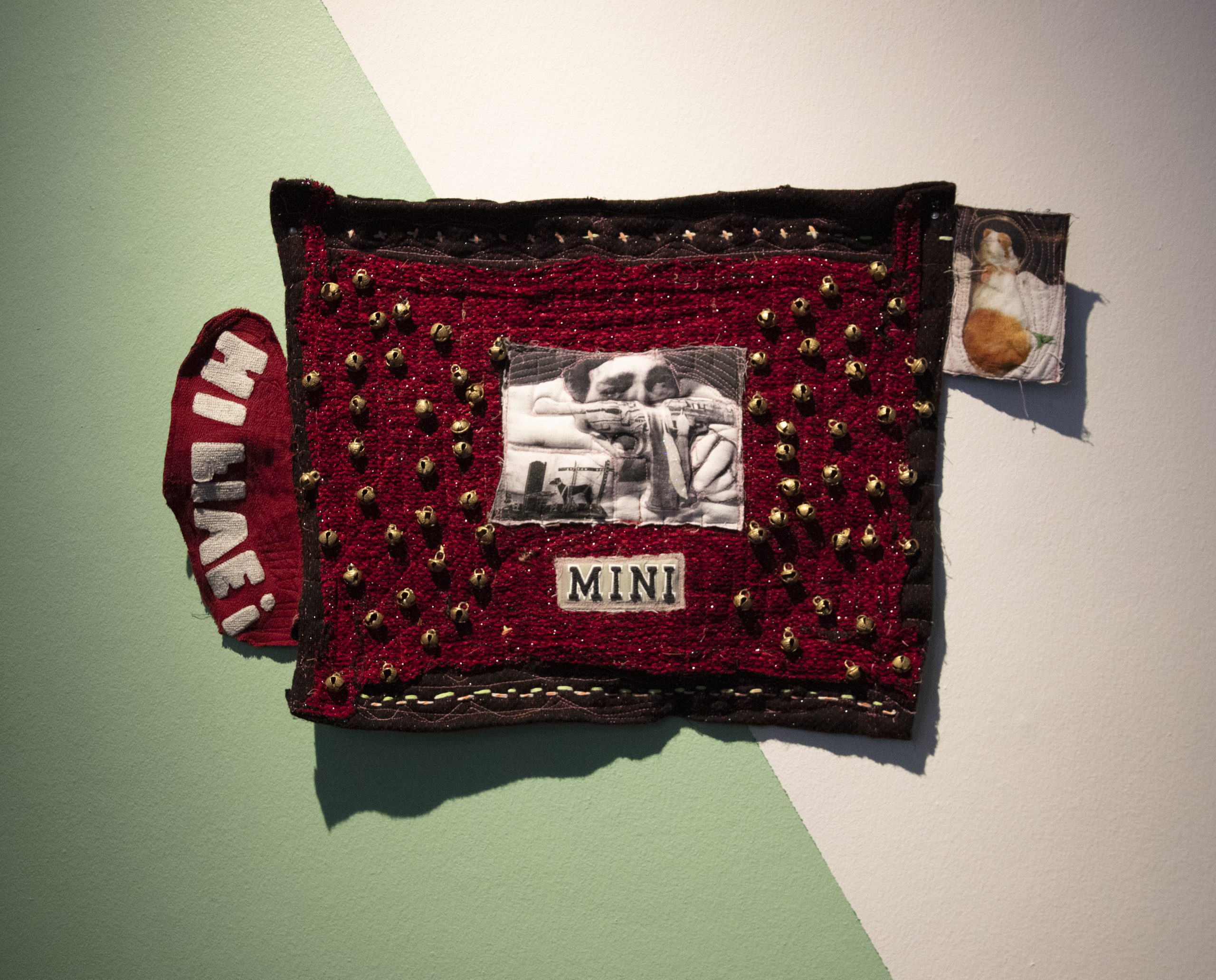
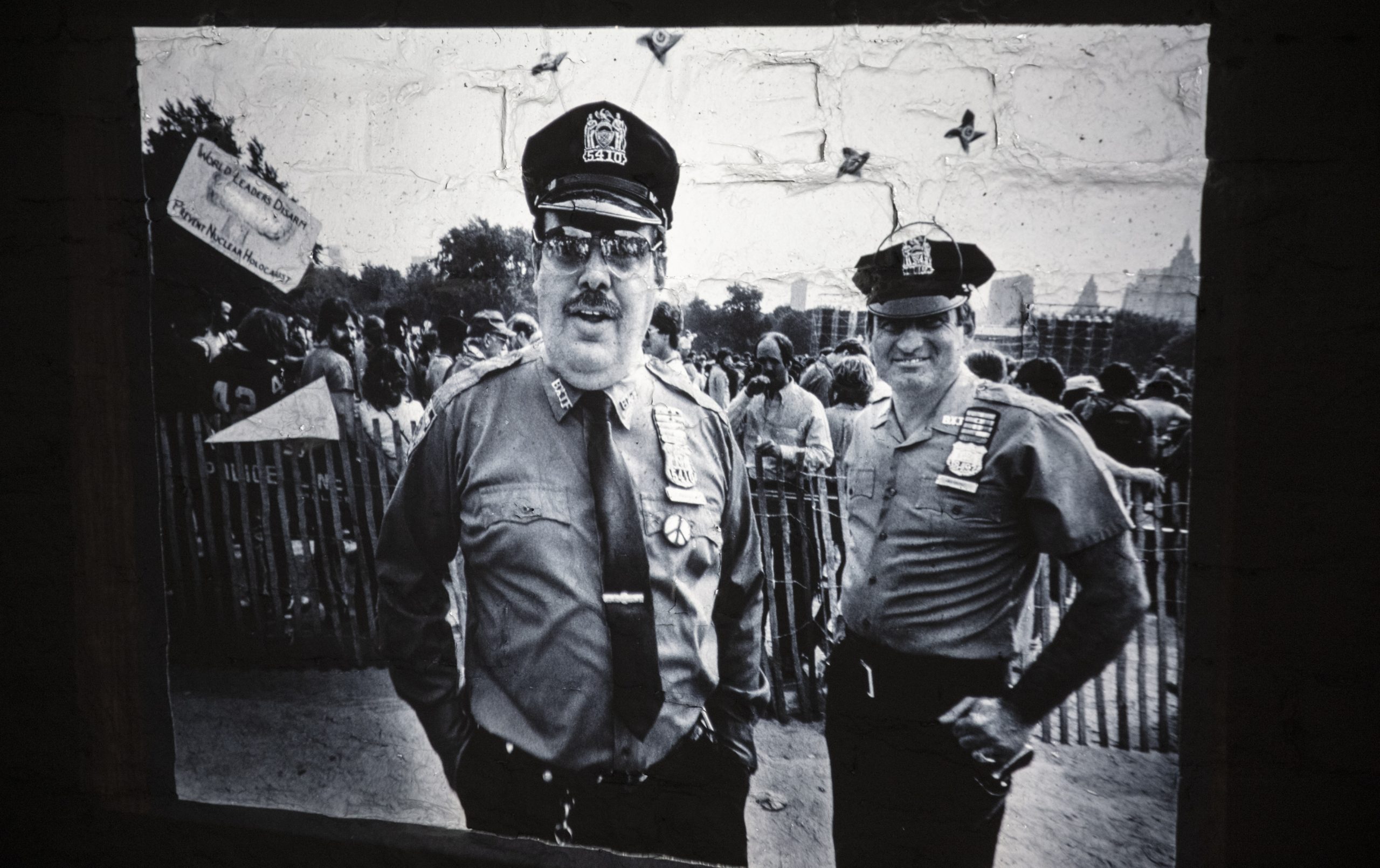
Through working with archival images, and testimonies of photographers, journalists, youth workers, and people who were young at the time, the working group have sought to use expanded photography to enter into a dialogue with Oulu’s histories and stories. The riot is a point of entry—a gateway to work through dissent, fragment authority, and rebel against institutional powers that attempt to control people’s movements, practices, and thoughts while presenting themselves as champions of European shared values, and advocates for the rule of law.
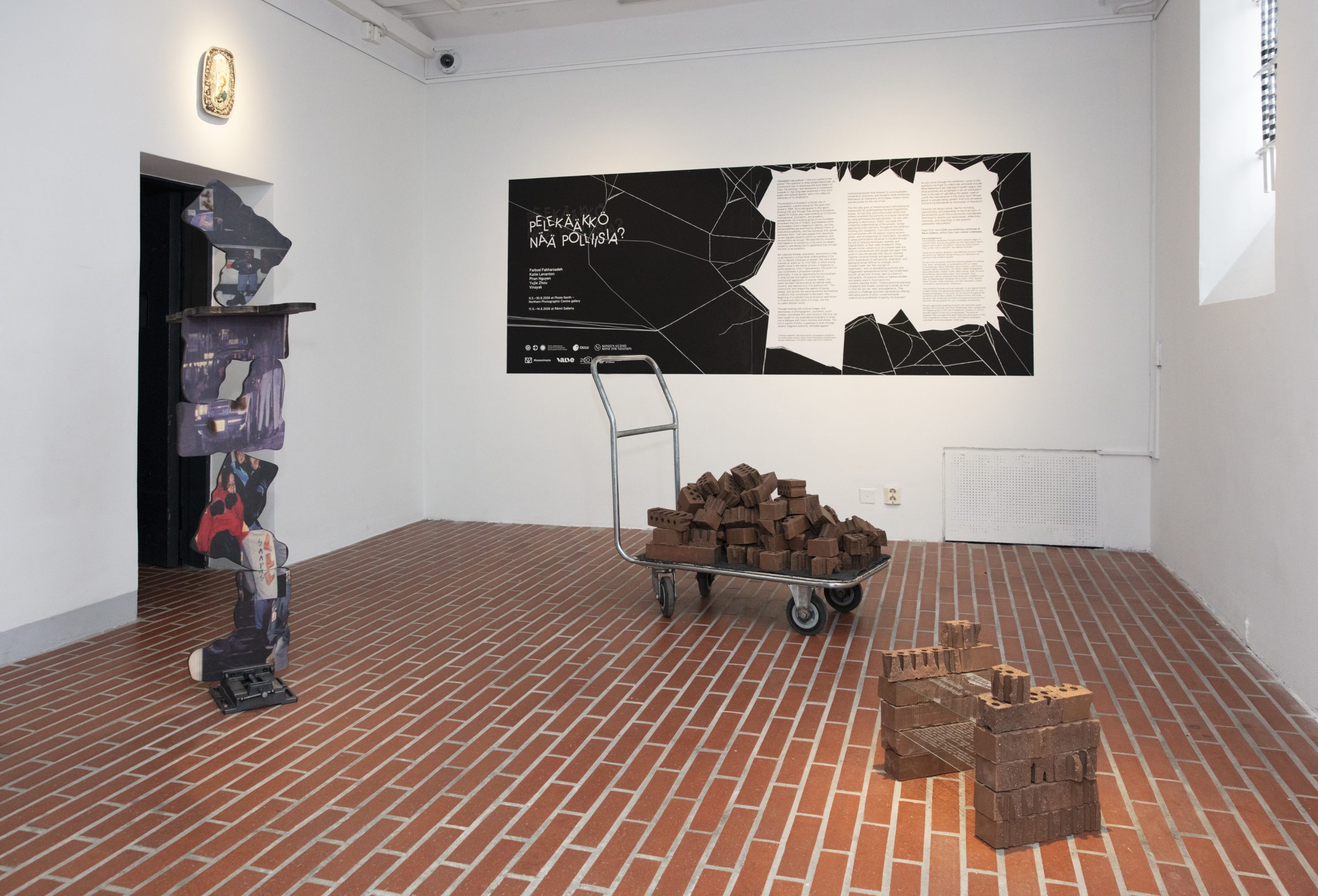
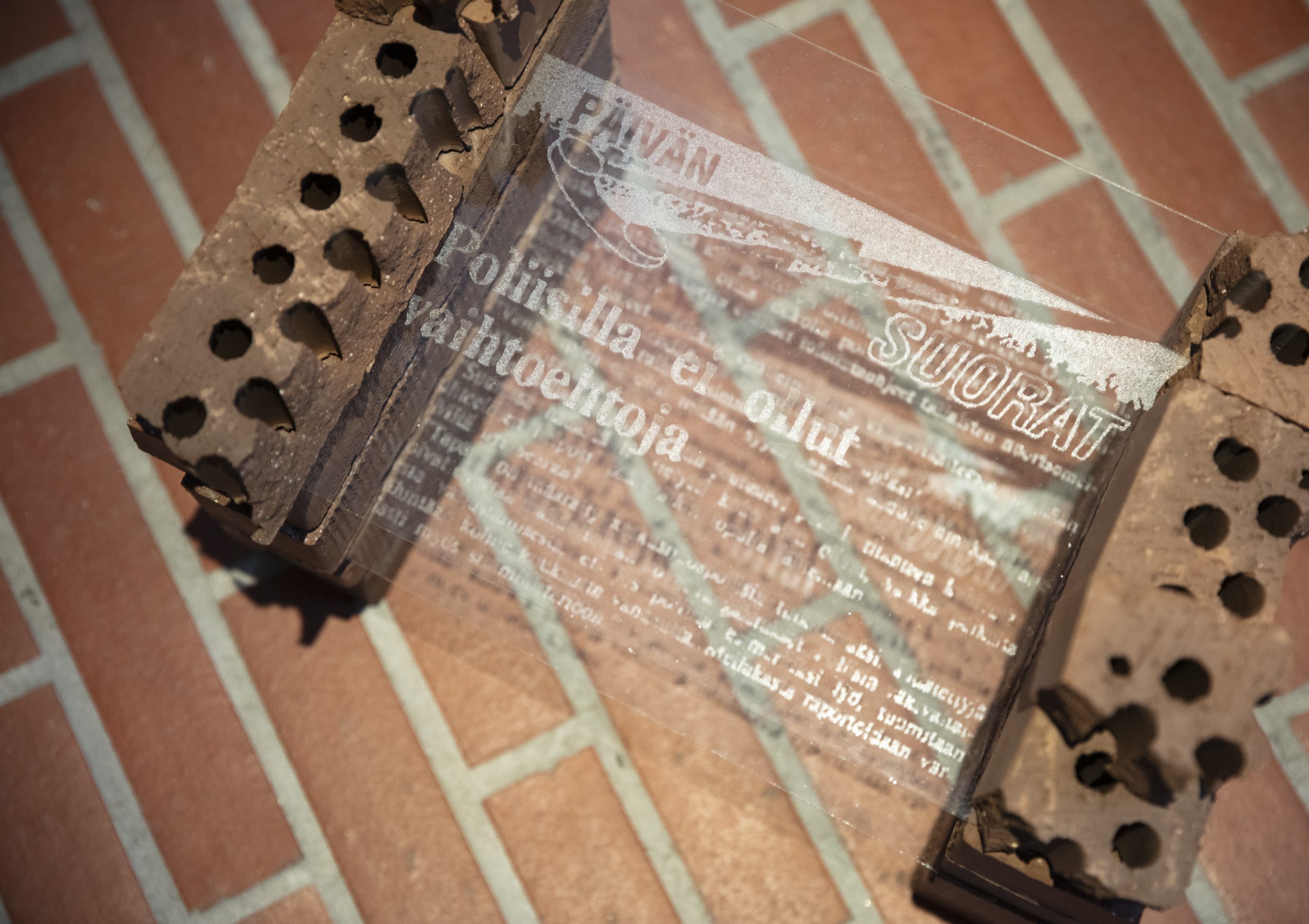
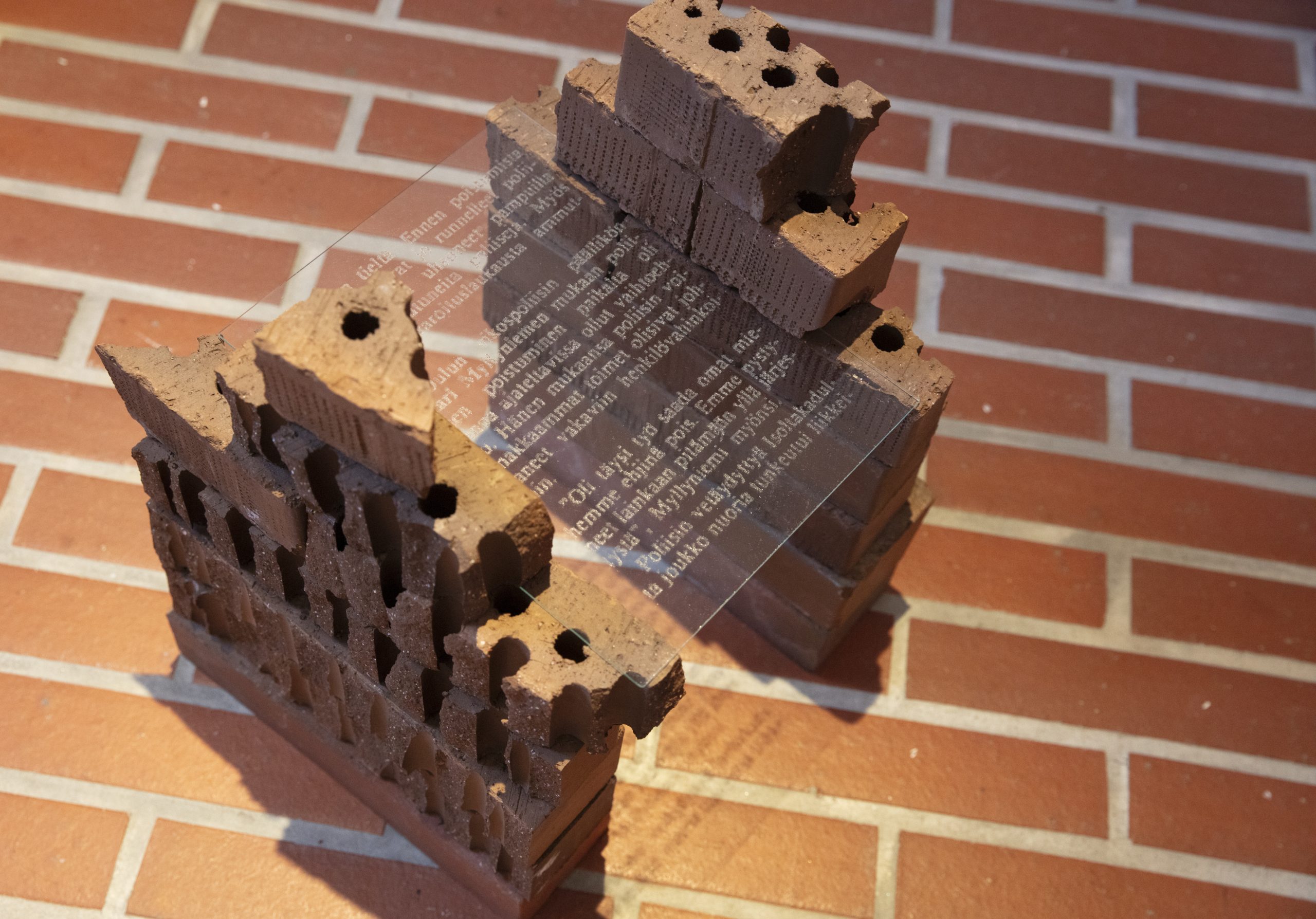
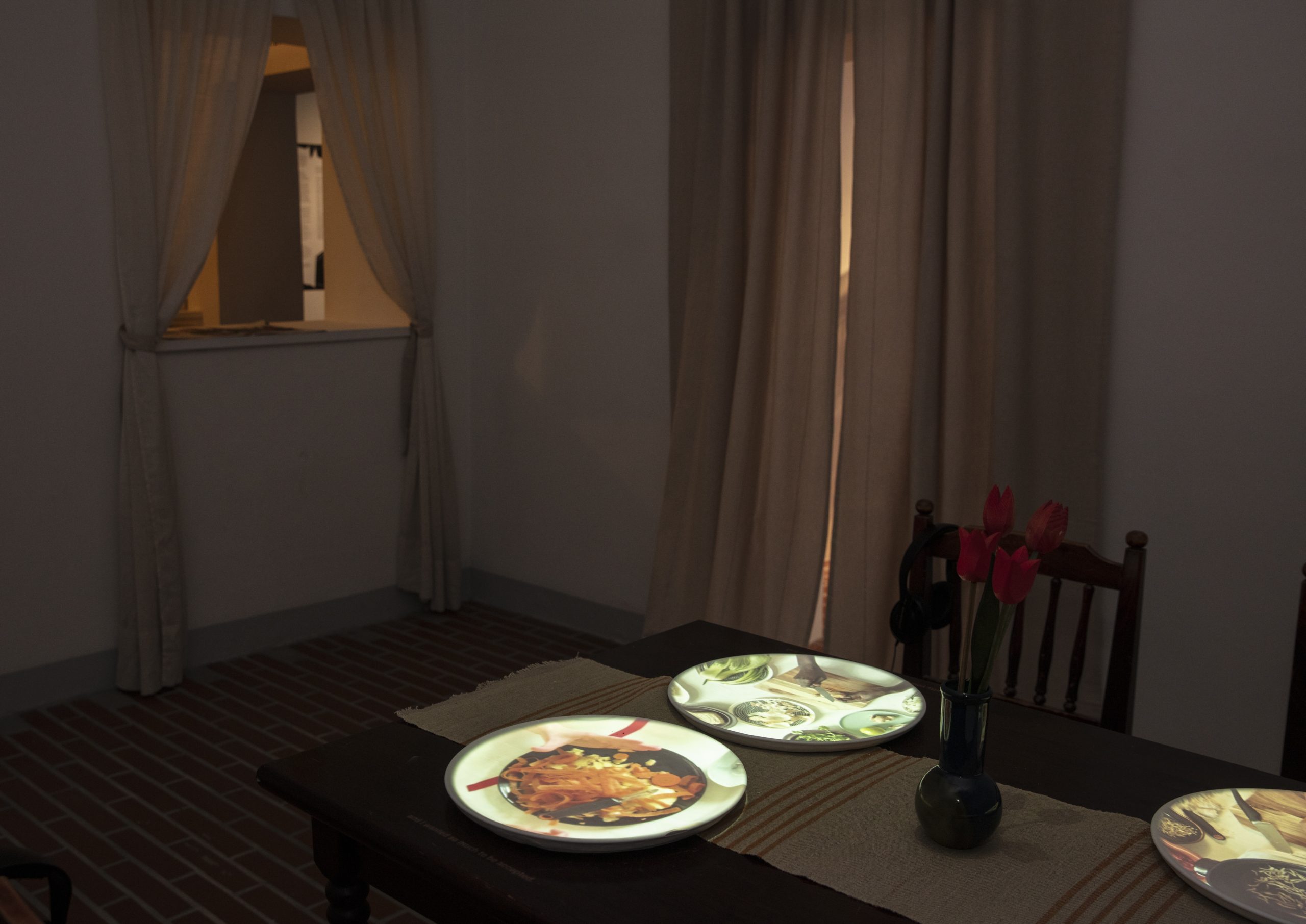
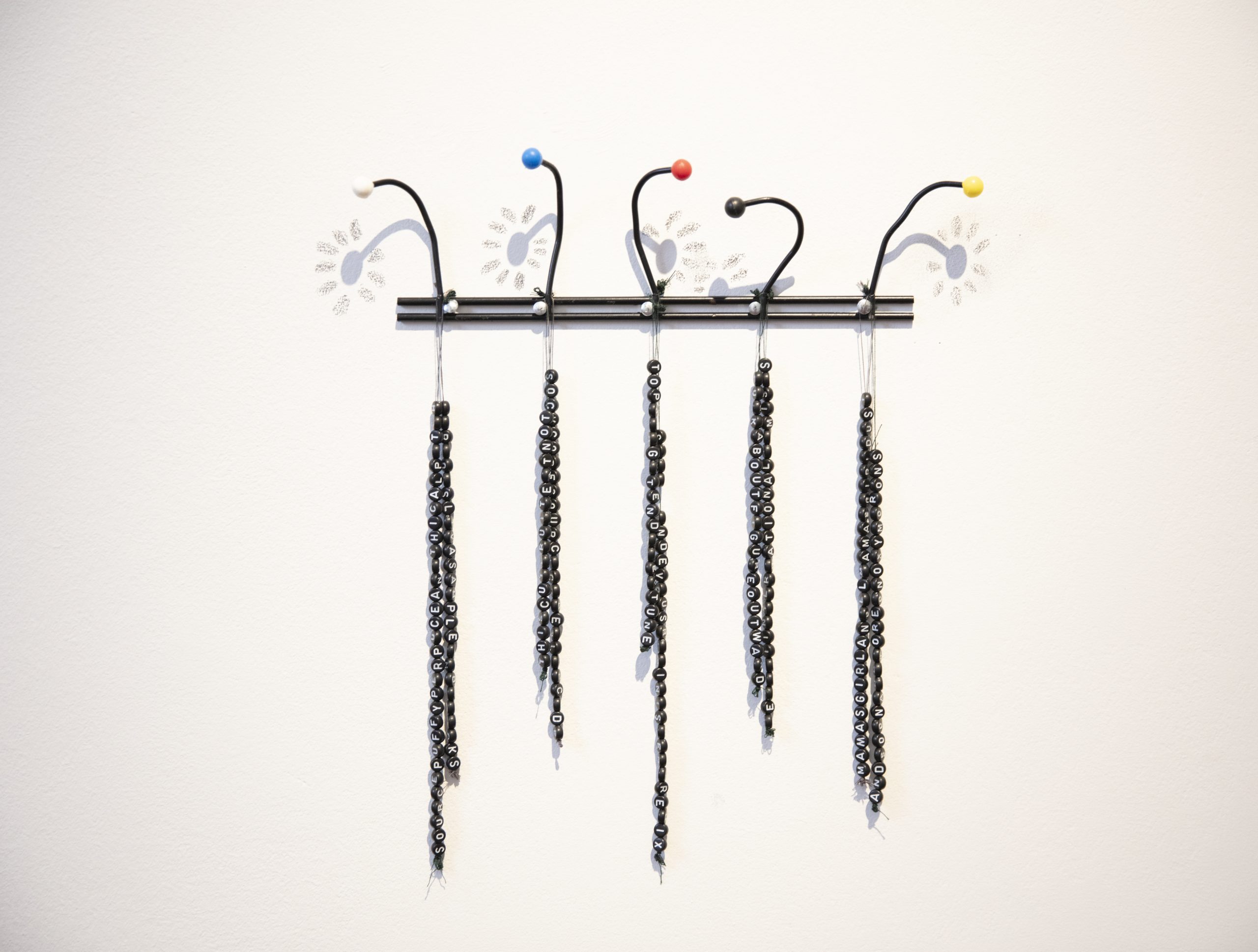
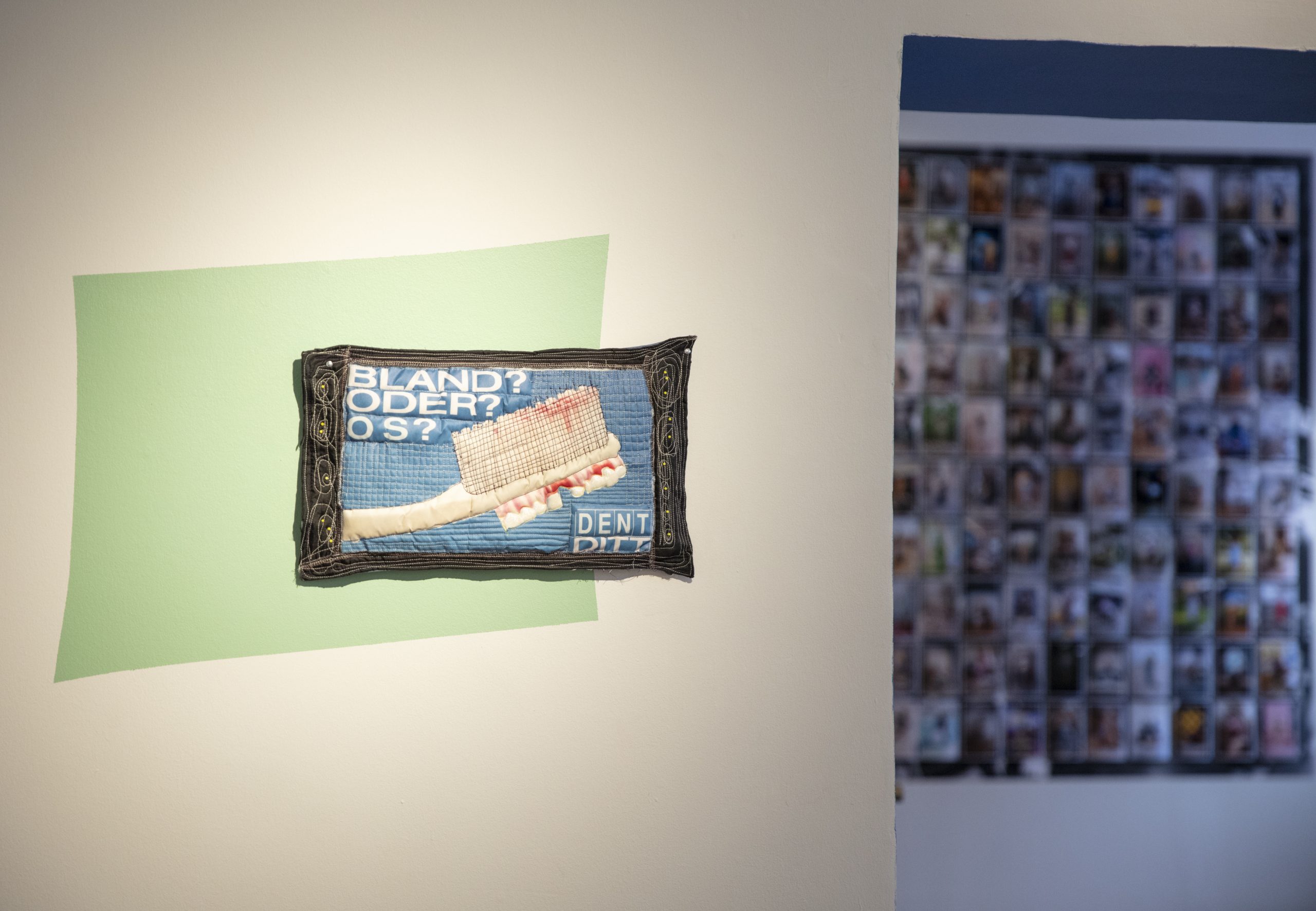
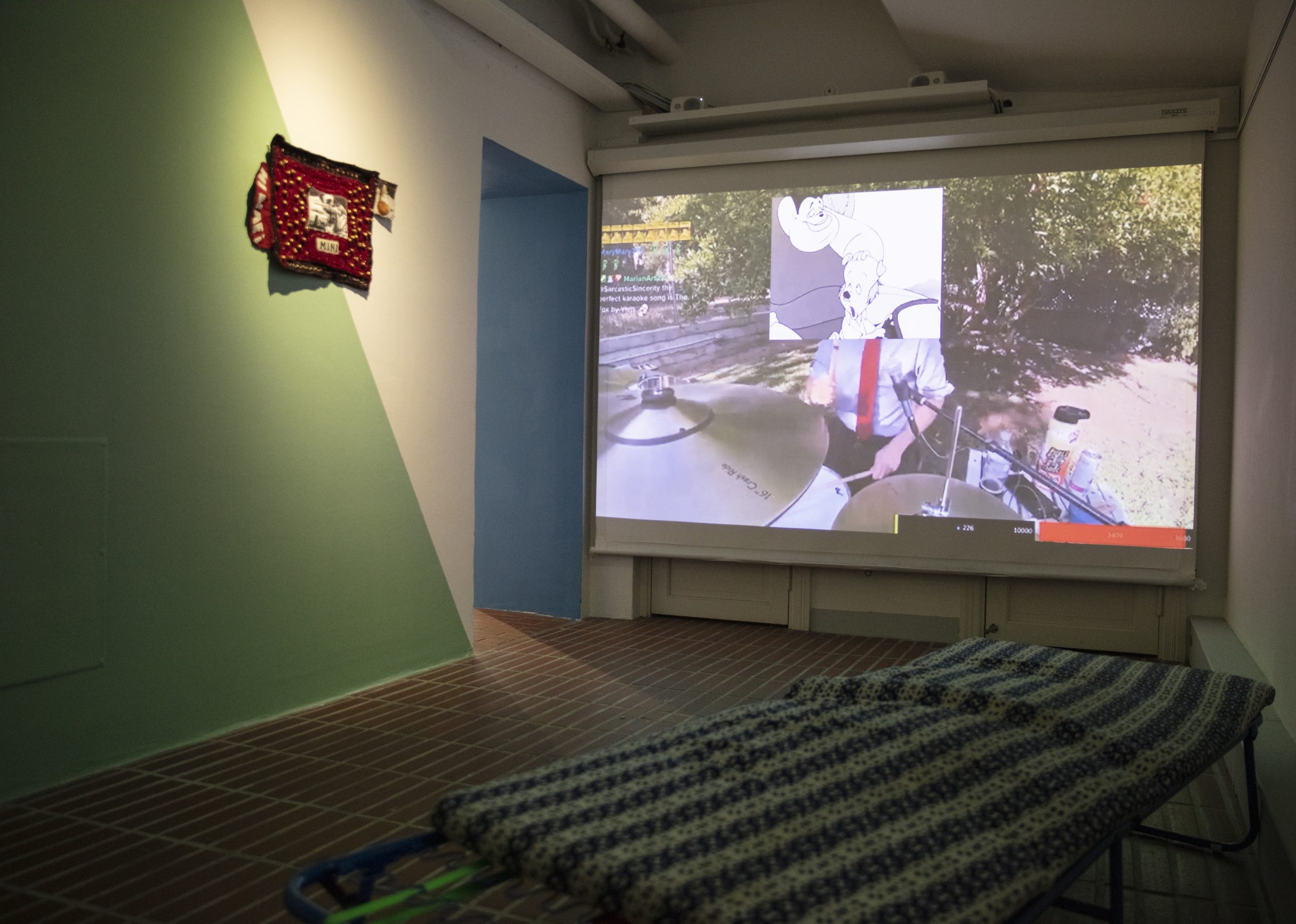
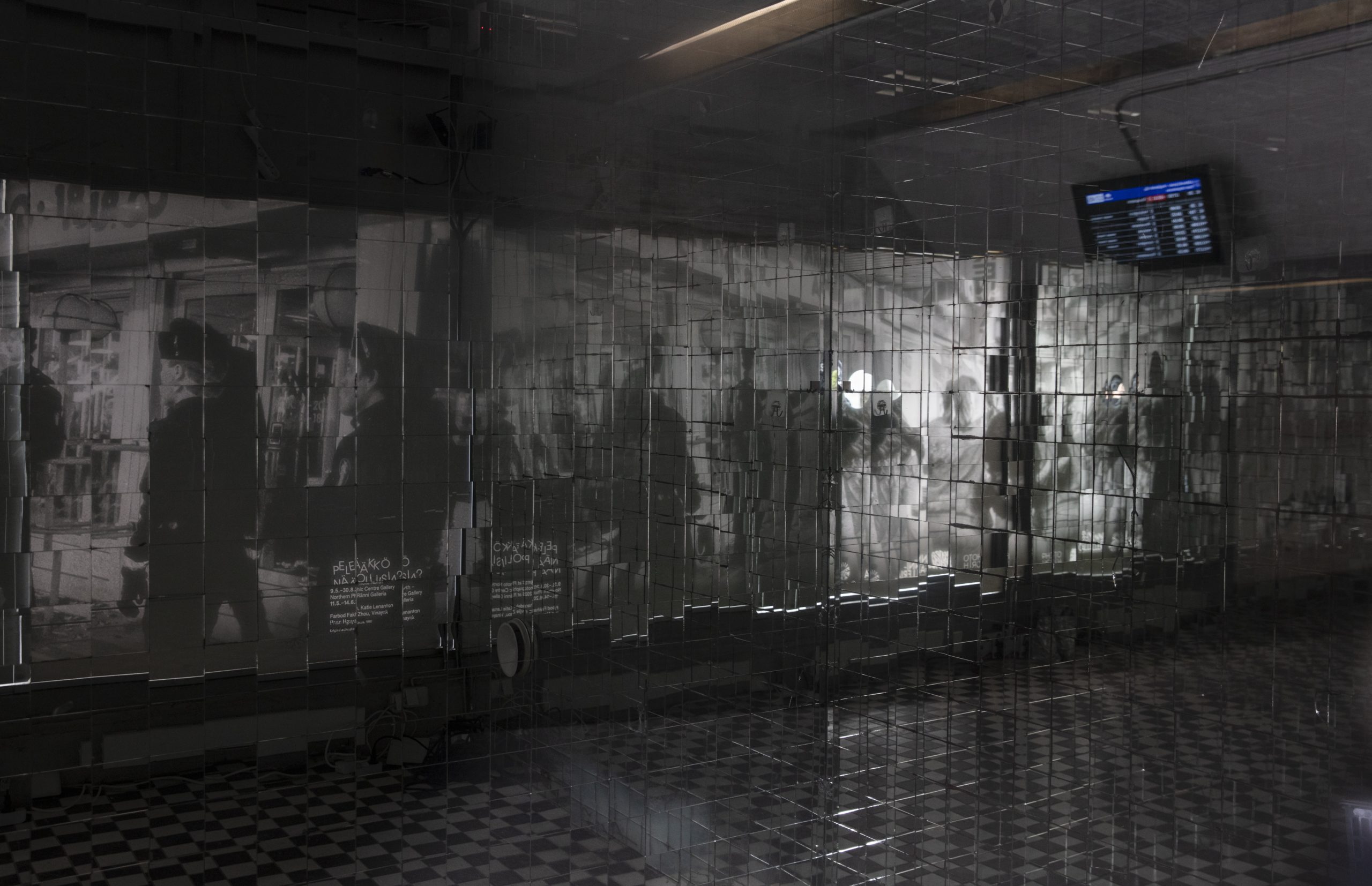
The ‘90s also gave the working group theoretical and methodological frameworks for understanding the era’s fragmentory excess. At that time, post-structuralist artists and thinkers shattered the authority of singular narratives by using techniques like appropriation, cut ups, and sampling to deconstruct, reflect, and layer their competing understandings of the present. Similar approaches echo and recur throughout the exhibition. Working with (il)legibility, Yujie Zhou intertwines archival sources with the space’s original window grates, and via engravings on found glass. Our ability to grasp authoritative narratives is clouded through the use of weaving techniques, layering, and fragmentation. In their video installation, Phan Nguyen invites visitors to sit at a shared table and listen to conversations with people who spent their youth in Oulu the decade after the riot, braiding together narrative threads and gestures through which experiences of self-policing, adaptation, and belonging remain difficult to untangle. And in Vinayak’s work, the ‘90s concept of hyperreality—with its destabilising authority and exaggerated representative forms—has circled back around, armed with AI tools. Akin to a form of cartography, his practice offers us hyperaccessible and speedy ways to fuse traces into coherent-seeming ‘truths’. These subversive practices complexify and trouble, combining to erode our trust in what we can see, hear, and experience. They attempt to challenge dominant narratives by offering alternative points of entry—could looting be understood as proletariat shopping, for example?
As one moves through the exhibition, some of the questions the working group hopes to collectively articulate include: What behaviours are tolerated in public space, and what practices are acceptable in an art institution? How is the task of ‘upholding the peace’ used to justify the maintenance of the status quo? Whose peace is actually being upheld? And how are peace and policing bewildered by discourses of liberation?
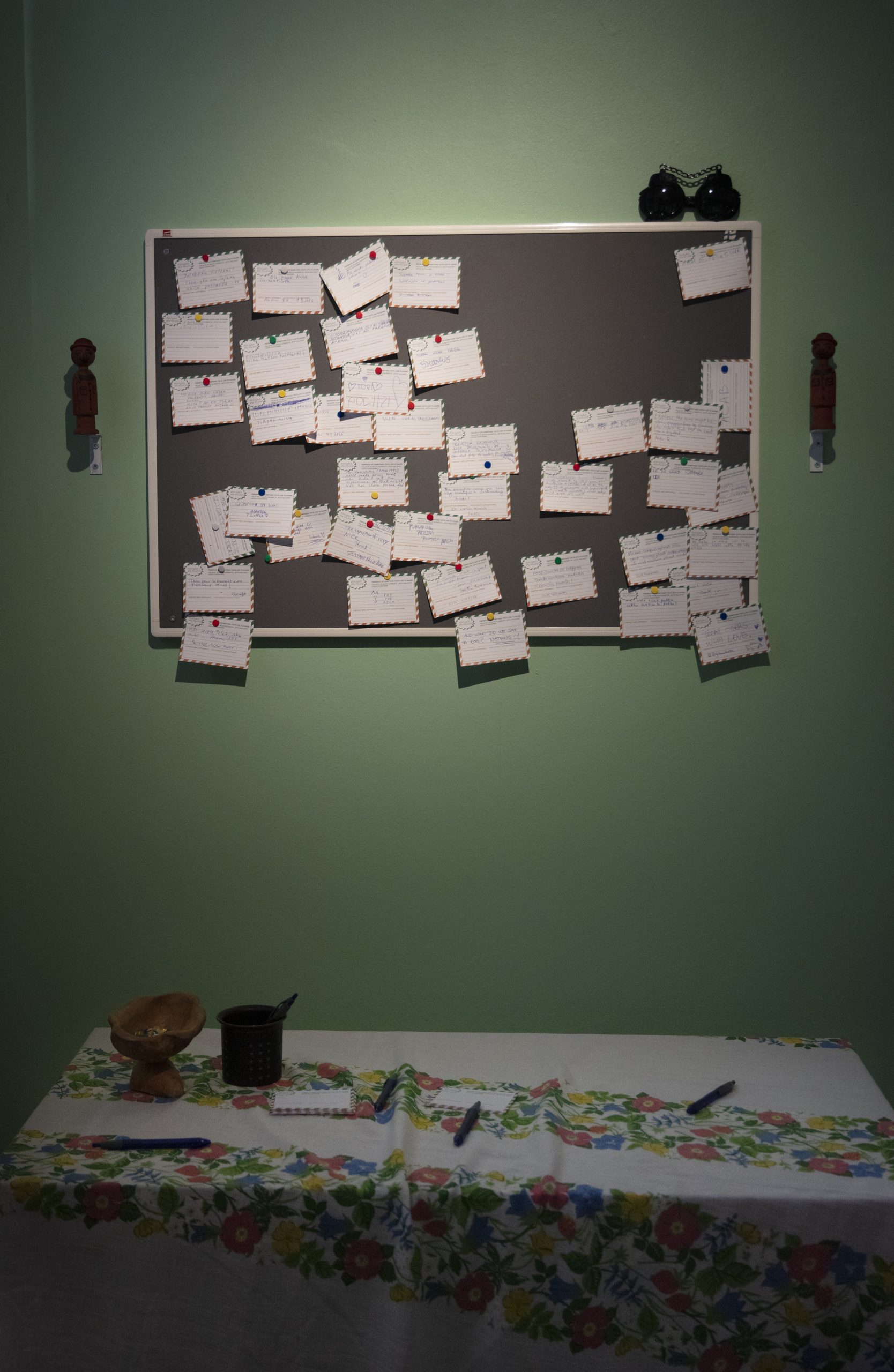
Histories are always plural, ripe for revisiting, repositioning, and expanding. In the final room of the exhibition the viewer will find a community noticeboard. The working group would love to receive testimonies, reflections, memories, and responses to the question pelekääkkö nää polliisia?
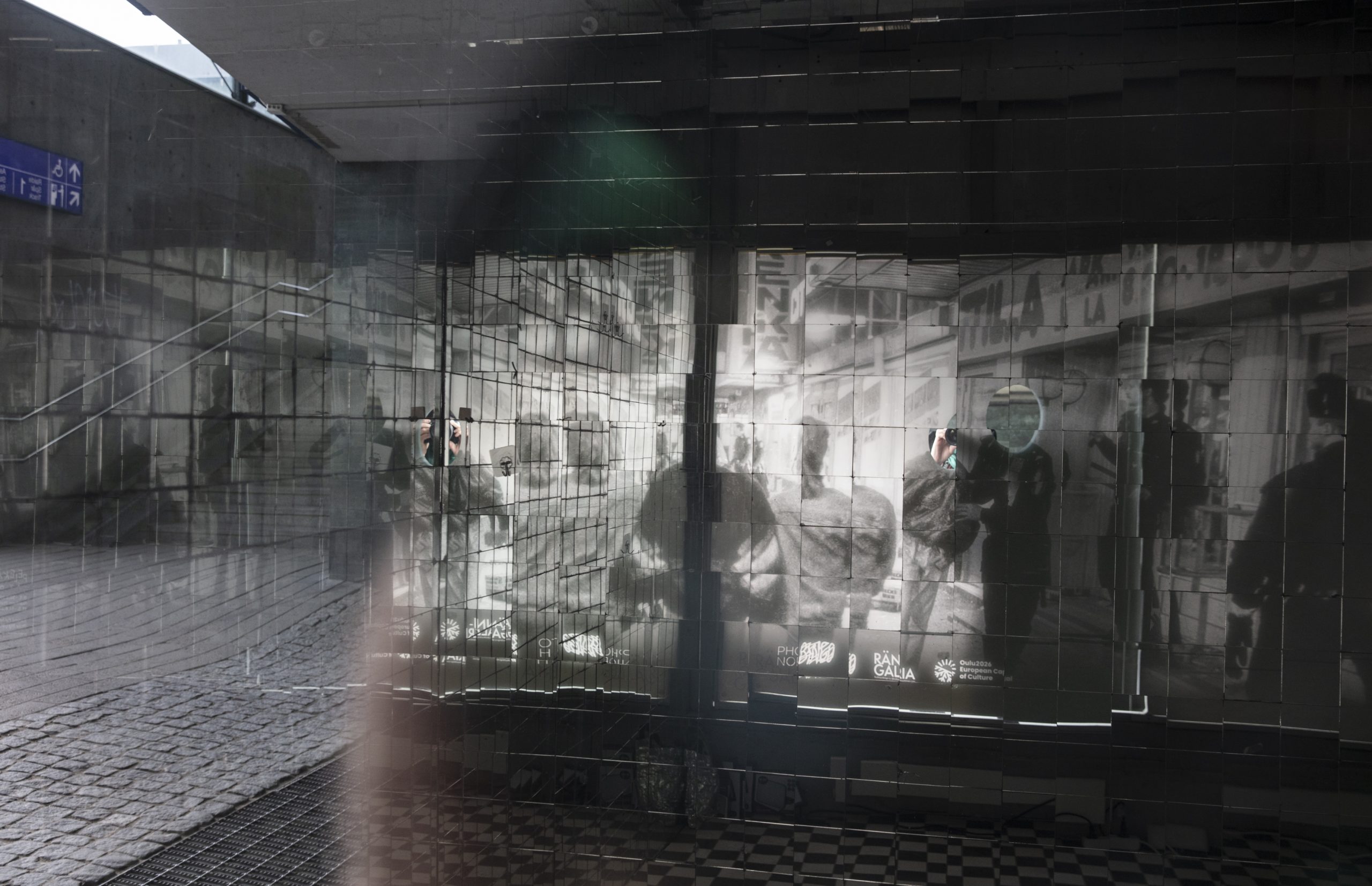
From 11.5.–14.6.2026 the exhibition continues at Ränni Galleria, within Oulu train station underpass
_______
* Poliiseja hakattiin, ikkunoita rikottiin ja kauppoja ryöstettiin – 30 vuotta sitten nuoriso valtasi Oulun keskustan ainutkertaisen rajussa mellakassa. 10.8.2020. https://yle.fi/a/3-11484333
Acknowledging the Weight of Words
The night of 10.-11.8.1990 is colloquially known using the Finnish translation of the name of an event associated with the nazi regime. Both nights are remembered for the shards of broken glass that littered the streets, but applying this term to Oulu creates a false equivalence. It has weighty implications that the working group believe should be interrogated further.
During their research, the working group interviewed many people and sought to understand how this phrase came to be, but they have not yet arrived at a definitive answer as to who coined it—a radio DJ, a late night copyeditor, a business owner, or the police themselves. The working group knows that in subsequent years, it then became shorthand for locals referring to the final weekend of summer celebrations before school returned.
The research is ongoing, and the working group welcomes the viewers’ feedback, memories, and testimonies. In the last room of the exhibition you’ll find a community noticeboard that can be used for this purpose. At the same time, the working group resists the continued usage of this term, and invites you to think through its implications before repeating it.
Acknowledgements
This exhibition developed through artistic research begun in summer 2025, and we are grateful for the Photo North team’s support and insights throughout—thank you Darja Zaitsev, Taija Jyrkäs, Kain Luosujärvi, and Matias Huttunen.
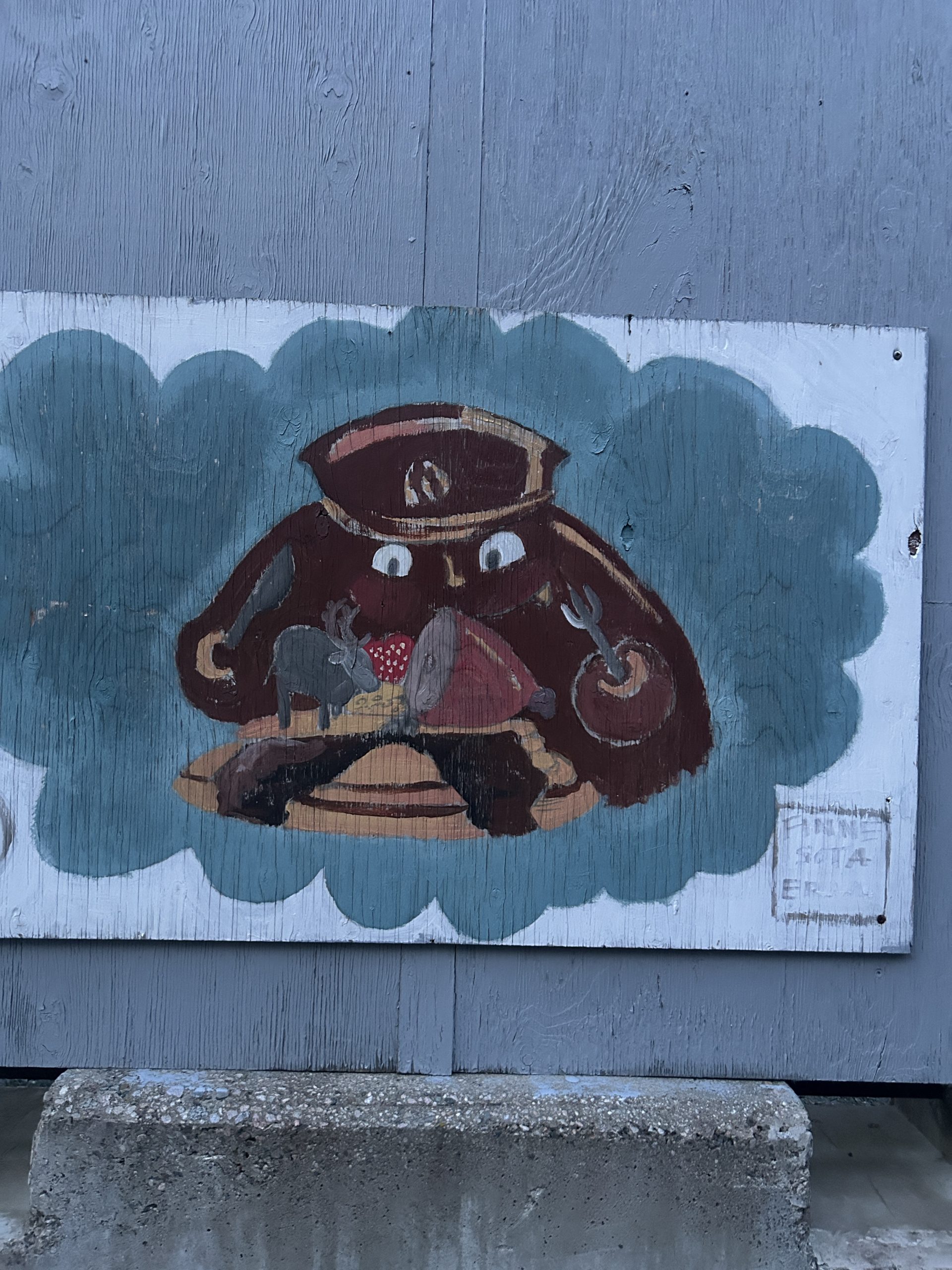
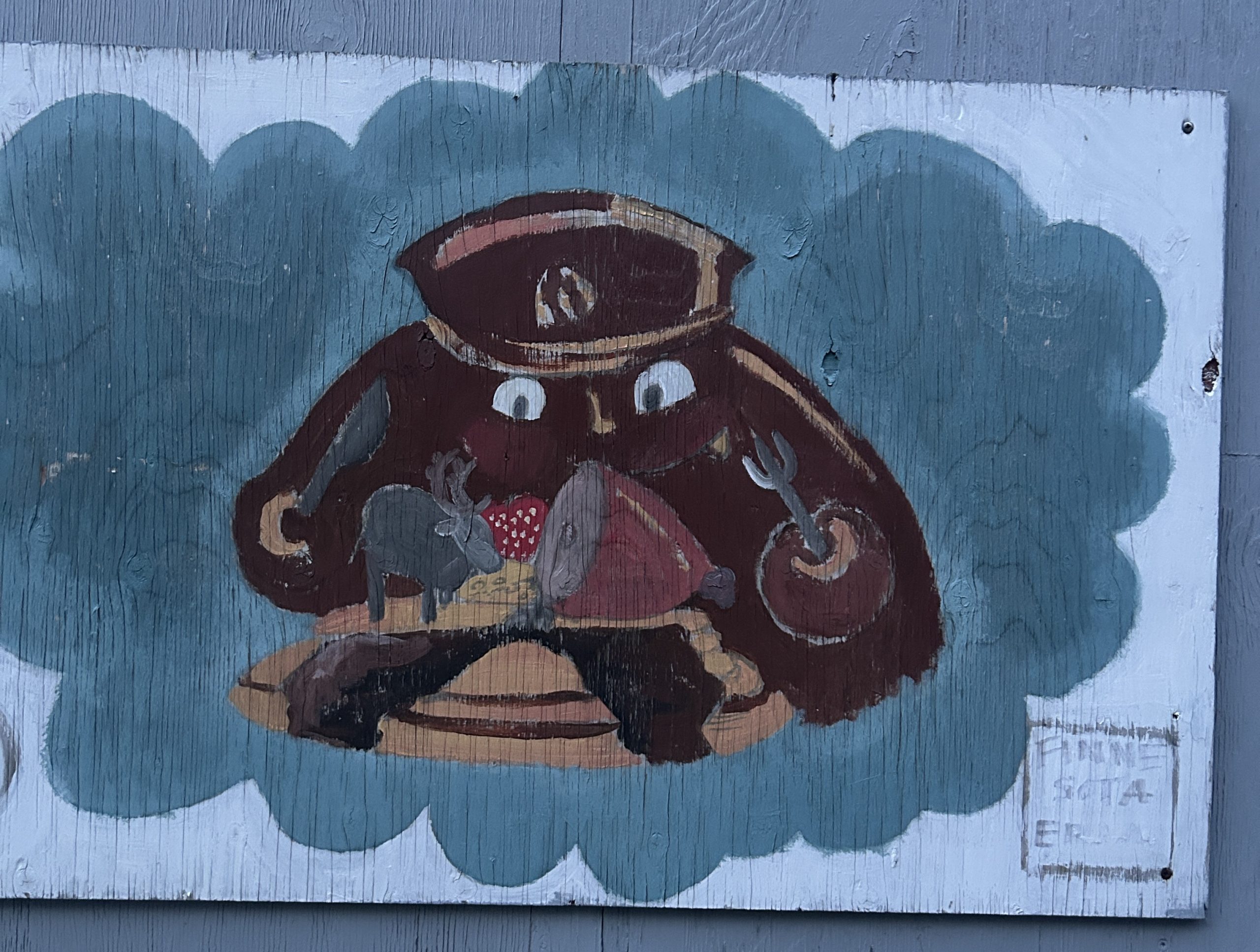
Thank you to graphic designers Sara Martínez and Isra Viadest, and artist Erja Taskinen for permitting us to reproduce her painting in the exhibition poster.
We also wish to warmly thank the following people for sharing time, texts, testimonies, or conversation with us, listed chronologically: Selina Väliheikki, Ainur Elmgren, Lölä Florina Vlasenko, Minna Henriksson, Sini Silveri, Heikki Romppainen, Maria Matinmikko, Arlene Tucker, Matti Pietola, Soile Suvanto, Rose Pietola, Hanna Mettovaara, Outi Leinonen, Anja Saukkomaa, Minna Laatikainen and those who stopped to say hello at Kädentaitajien lahjapaja (18.12.2025), Timo Saarela, Pekka Turunen, Soila Lemmetty, and Sari Vanhanen. Others contacted us anonymously—thank you!
This exhibition includes archival materials. A very special thanks to Matti Pietola who generously shared his work with us, and whose photographs of the youth riot are found throughout the exhibition and at Ränni Gallery in different forms, and Soile Suvanto, who shared her journalist and personal archives from this time. We are grateful for your invaluable contributions.
We also appreciate speaking at length with specialist youth workers Outi Leinonen and Anja Saukkomaa, who worked with the Saapas group of the Oulu Evangelical Lutheran Church to provide support to the city’s young people. The archival materials they provided have been used with permission of the Oulu Evangelical Lutheran Church, and feature employees, volunteers, and young people—thank you.
Farbod Fakharzadeh, Katie Lenanton, Phan Nguyen, Yujie Zhou, and Vinayak
Pelekääkkö nää polliisia?
9.5.–30.8.2026, Photo North – Northern Photographic Centre gallery
11.5.–14.6.2026, Ränni Galleria (Rautatienkatu 11, 90100 Oulu)
(Image by Katie Lenanton, orginal artwork by Erja Taskinen)
You can read the exhibition catalogues and the accessibility document online (documents opens in a new tab):
– Exhibition catalogue 1
– Exhibition catalogue 2
– Gallery accessibility document